Get Full Government Meeting Transcripts, Videos, & Alerts Forever!
Get email alerts on the Signs Amortization Enforcement topic
No spam. Unsubscribe anytime.
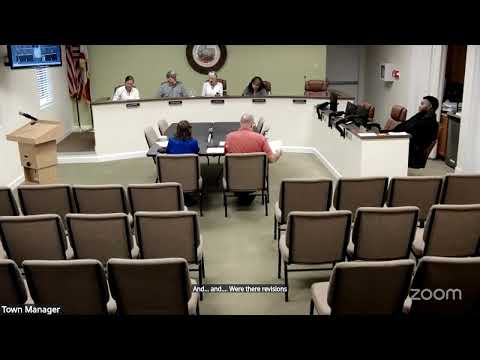
Committee debates amortization and enforcement of nonconforming signs; staff to produce impact analysis
Summary
The committee discussed amortization of nonconforming signs, enforcement practices and the scope of any new regulation. Staff was asked to draft suggested language and an impact analysis to show how many signs and which properties would be affected.
Members of the Loxahatchee Groves Unified Land Development Code Committee spent substantial time reviewing amortization — the process that requires nonconforming signs to be replaced to meet current code over a set period — and whether the town should shift from a complaint‑driven enforcement model to proactive enforcement.
Why it matters: Amortization and enforcement changes could require some property owners to replace long‑standing signs within a specified timeframe; committee members expressed concern about giving owners reasonable time and avoiding legal challenges while also improving town character.
A staff member briefed the committee on common amortization practices and legal limits, saying courts expect property owners be given a reasonable period to recoup their investment. The presenter illustrated commonly used approaches: many municipalities use amortization periods of five to ten years, and replacement typically triggers if a sign is damaged beyond a threshold of roughly 50 percent of its value or structural face.
Committee members raised enforcement questions. One attendee noted that the town’s current practice has been largely complaint driven; a staff speaker said changing that to proactive enforcement would require council direction and warned of a state law constraint. A staff member cautioned that Senate Bill 180 (SB 180) restricts local governments from imposing more restrictive sign regulations in ways that would create new burdens until 2027, a limitation the committee must consider when drafting tighter rules.
Staff estimated there are roughly 200 commercial properties in town that could be impacted and told the committee that preparing a definitive list would require code enforcement and planning staff to photograph, measure and review files for each sign to determine compliance and vesting; that inventory work could produce voluntary compliance or lead to code‑enforcement actions if necessary.
The committee requested that staff return with: (1) the town’s current ULDC sign language and suggested amortization language; (2) an impact analysis estimating the number and types of nonconforming signs and likely workload for enforcement; and (3) proposed timelines (staff suggested five to ten years as examples) and rules for when replacement is required (for example, the 50 percent damage rule).
What the committee did not decide: Members did not adopt an amortization timetable or a new enforcement regime. No council action occurred during the meeting.
Next steps: Staff will compile current code language, draft amortization and enforcement options, and prepare an impact analysis for committee review at a future meeting.