
Staff brief: proposed 'One Big Beautiful Bill' and recent federal rescissions could trim hundreds of millions from state programs
Get AI-powered insights, summaries, and transcripts
Subscribe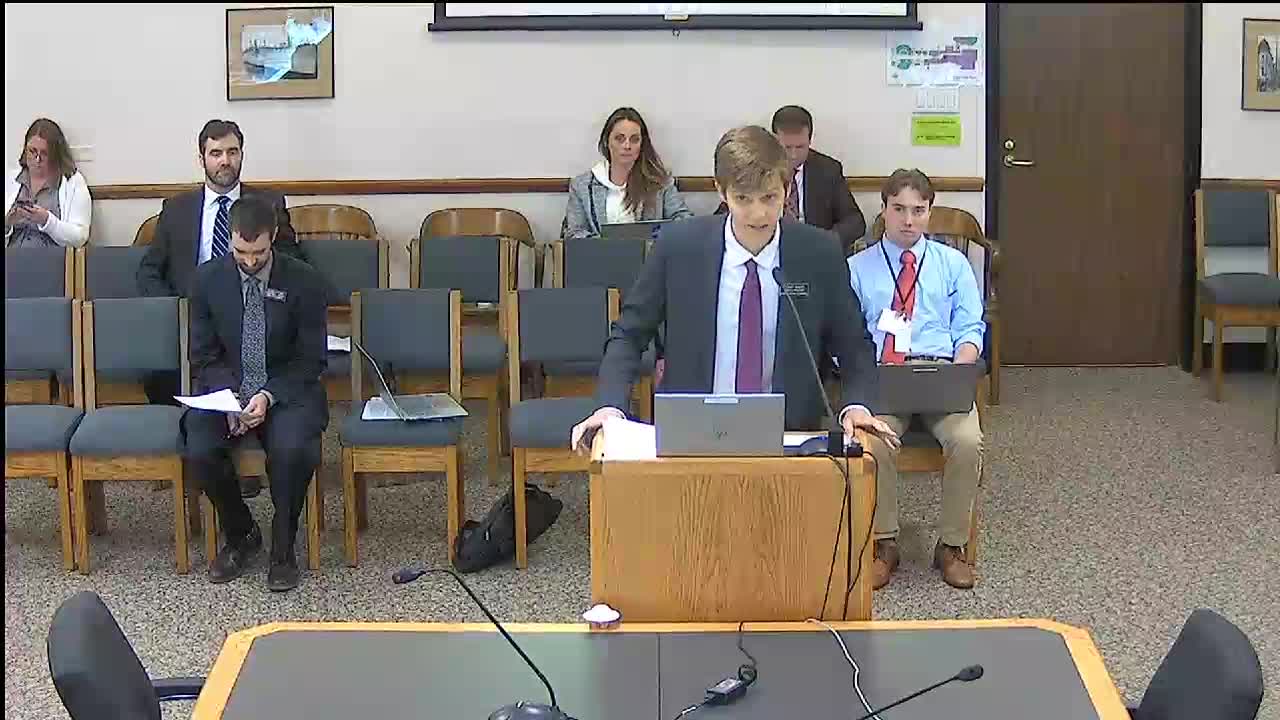
Summary
Legislative Council analysts outlined potential reductions to Medicaid and SNAP in pending federal legislation and summarized recent federal grant rescissions that have already cost North Dakota roughly $100 million in realized and unliquidated federal funds.
Legislative Council fiscal staff told Legislative Management that changes under consideration in Congress could sharply reduce federal aid to North Dakota programs, and that federal rescissions and expirations have already cost the state nearly $100 million in recent months.
Grant Gaither, legislative council fiscal analyst, reviewed the “One Big Beautiful Bill Act” as passed by the U.S. House and being worked in the Senate, describing provisions that would reduce Medicaid spending nationally by an estimated $793 billion over a decade. Gaither said North Dakota’s portion could amount to roughly $1.4 billion over ten years—about a 12% reduction of projected federal Medicaid funds—largely driven by a proposed mandatory work requirement for able-bodied adults and other enrollment and cost-sharing changes. Gaither noted North Dakota’s biannual Medicaid budget is about $3.4 billion, including $2.1 billion in federal funds and $662 million tied to Medicaid expansion (90% federal match).
Gaither also outlined proposed SNAP changes in the House bill that would increase state cost sharing for benefits and administrative costs, and tie state benefit obligations to payment error rates; he said those provisions would increase state administrative costs and could add an estimated $18 million per biennium for increased SNAP administrative sharing under a 75% state administrative share scenario.
The analyst then summarized recent federal rescissions and terminations that have already affected state programs: Department of Health and Human Services awards estimated to include $75.8 million in unliquidated obligations (including CDC and SAMHSA grants) and FEMA infrastructure rescissions that removed about $19.6 million intended for resilient infrastructure projects—affecting wastewater work in Lincoln and Fessenden and a water intake project in Washburn. The memo also flagged smaller rescissions totaling about $8.3 million across other agencies for school safety, radon testing, and digital equity projects. Staff told management the Emergency Commission and Budget Section have addressed some shortfalls by repurposing contingency or loan authority where possible.
Gaither cautioned the congressional proposal remains under negotiation in the Senate and that numbers in the memo are subject to change. He advised the committee to monitor federal developments because major entitlement changes would materially affect the state’s budget picture and could require legislative response.
Committee members asked whether staff had detail on program-level impacts and whether state agencies could identify which projects were interrupted; Gaither said staff could coordinate further with affected agencies and OMB to track program effects and standing obligations.