Committee debates 30-inch hedge rule, sight-triangle spacing for sidewalks and driveways
July 11, 2025 | University Heights City Council, University Heights, Cuyahoga County, Ohio
This article was created by AI summarizing key points discussed. AI makes mistakes, so for full details and context, please refer to the video of the full meeting. Please report any errors so we can fix them. Report an error »
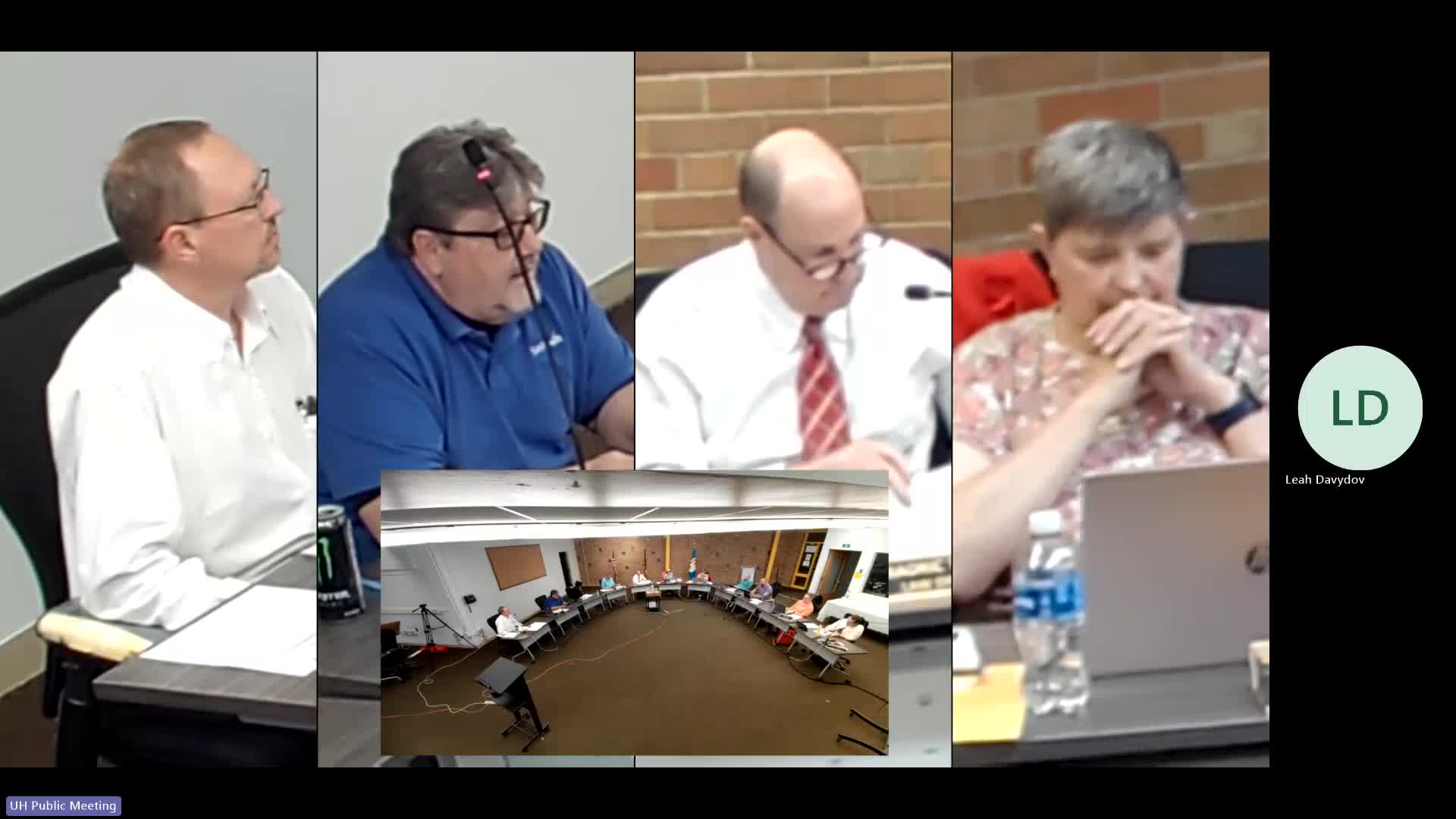
The committee examined whether a fixed height standard alone captures safety risk. "It's good that height was, discussed 30 inches," Councilwoman Weiser said, adding that obstruction also depends on how close a hedge grows to the sidewalk or street and not just the top height. The committee heard that sight triangles based on the Ohio Location Design Manual measure driver eye‑height and bumper offsets to determine safe visibility distances.
Nut graf: Committee members agreed the 30‑inch benchmark has a basis in traffic‑safety guidance but questioned whether the city should also require minimum setback distances from the edge of the sidewalk or a fixed triangular clear sight area near corners and driveways.
The building department and the committee described examples where tall hedges reach sidewalk edges and block drivers’ lines of sight at intersections. The Building Commissioner (Bill) explained how sight‑triangle analysis works: agencies typically assume the driver’s eye is about 30 inches above the roadway and evaluate the distance a driver needs to see approaching traffic, with the analysis tied to the posted speed limit.
Members noted that other Ohio cities use different numeric cutoffs — Beachwood at 24 inches and Cleveland Heights at 36 inches — and that a single number may not fit all street configurations. The committee discussed a 30‑foot distance commonly used near corners in other municipalities and whether to apply a similar distance from intersections or driveways.
Several members asked about enforcement and exceptions for existing mature plantings. Councilman Cooney and others pointed out many hedges predate the ordinance and that enforcement is typically discretionary; the Building Commissioner confirmed the code gives the commissioner authority to evaluate hazard and that citations appear rare. Committee members favored preserving discretion for long‑standing plantings while applying clearer standards to new installations.
The committee also discussed visibility requirements (for example, percent openness of a fence) and whether hedges should be treated like fences for registration or enforcement purposes. No formal vote was taken; members instructed staff to keep the 30‑inch guideline in the draft but to consider language on setbacks, sight triangles, and discretion for existing plantings, and to return a revised draft for further review.
Ending: The committee moved on to other sections of the ordinance after directing staff to refine the draft language on hedges and sight lines and to circulate the changes for committee review.
View the Full Meeting & All Its Details
This article offers just a summary. Unlock complete video, transcripts, and insights as a Founder Member.
30-day money-back guarantee
Sponsors
Proudly supported by sponsors who keep Ohio articles free in 2025

