Get Full Government Meeting Transcripts, Videos, & Alerts Forever!
Commission reviews opaque storefronts and temporary window-sign rules; staff to simplify enforcement approach
Summary
Planning staff described confusing and inconsistent rules for fenestration (openings) vs. transparency (see-through windows) and for temporary window signage; commissioners urged simplification and asked staff to return with a clearer, content-neutral permit approach and enforceable standards.
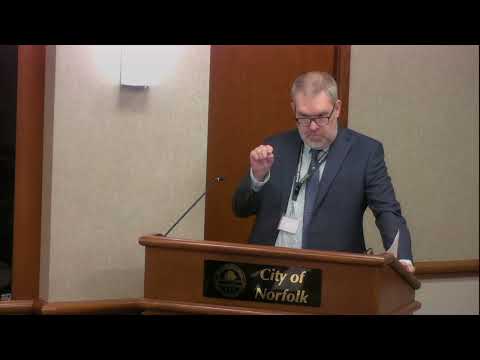
Norfolk planning staff told the Planning Commission that the city's sign and facade rules are inconsistent in places and hard to enforce, particularly temporary window signs that obscure storefront visibility. Planning staff explained the distinction the ordinance uses between fenestration (the presence of windows and doors) and transparency (window area that is actually viewable into the interior). They noted that many commercial areas are subject to only fenestration standards, not transparency standards, and that inspectors struggle to measure the ordinance's 30% limit on window signage in the field. Planning staff outlined enforcement history and constraints and asked the commission for direction. The staff presentation underlined three problems: inconsistent application across districts, complexity of time limits and sign categories for temporary signage, and uncertainty about how blinds or window film should be treated for transparency…
Already have an account? Log in
Subscribe to keep reading
Unlock the rest of this article — and every article on Citizen Portal.
- Unlimited articles
- AI-powered breakdowns of topics, speakers, decisions, and budgets
- Instant alerts when your location has a new meeting
- Follow topics and more locations
- 1,000 AI Insights / month, plus AI Chat