Committee votes to enter closed session citing state statutes
Summary
Meeting participants moved, seconded and voted to enter a closed session citing GS 143-318.11(A)(1),(3),(6) and a G.S. reference to protect confidential personal information and to consult the board attorney.
An unidentified committee member moved and the motion was seconded to enter a closed session during a virtual meeting, citing GS 143-318.11(A)(1),(3),(6) and a separate statutory reference to protect confidential personal information and to consult with counsel.
The motion, offered during procedural business, stated: "I move to enter closed session pursuant to GS143Dash318DashDot11A1A3A6 to consider confidential personal matters to prevent the disclosure of confidential personal information protected under g dot g s 1 1 5 c dash 3 1 9 and to consult with the board attorney and preserve the attorney client privilege." The motion was followed by a spoken "Second." The committee conducted a roll-call style vote and the motion was approved.
Why it matters: The cited North Carolina statute provision, GS 143-318.11(A), authorizes governing bodies to meet in closed session for enumerated matters, including personnel and attorney–client consultations; the meeting record shows the committee invoked those subsections and a separate statute protecting confidential personal information as the basis for the closed session.
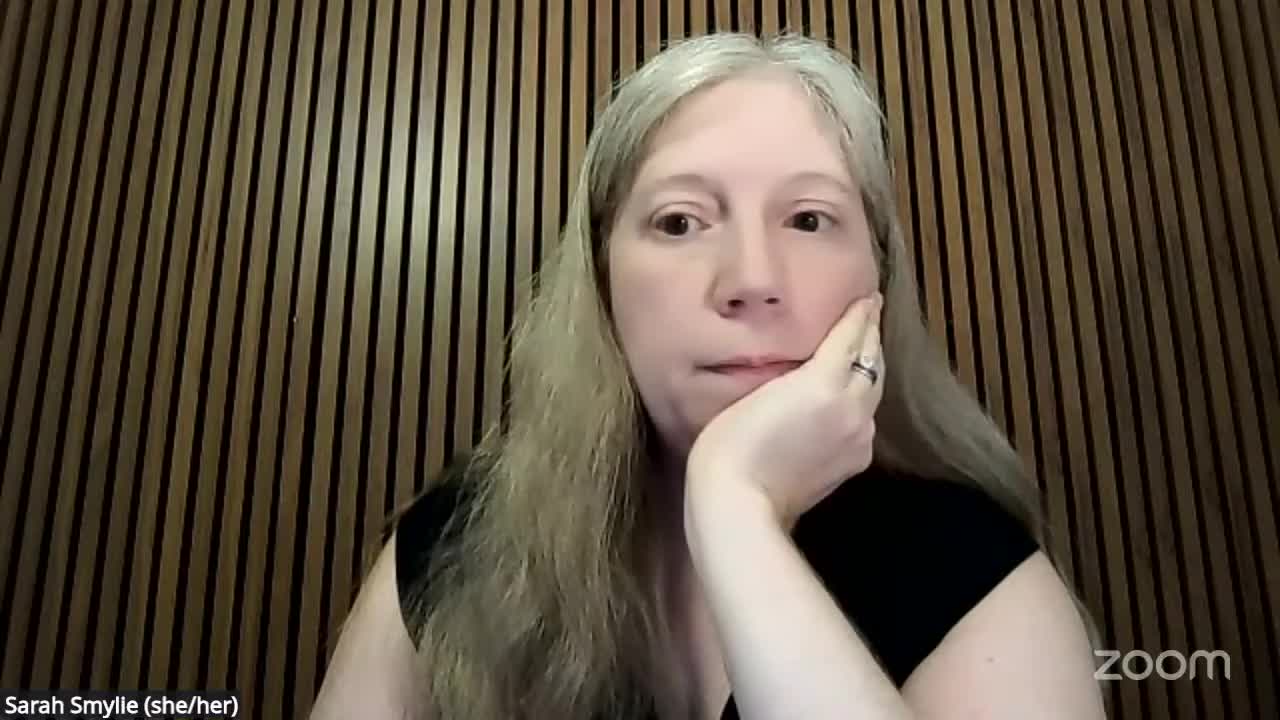
Details: Participants discussed logistics for moving to a separate closed-session Zoom link and transferring host privileges so the public link could remain open while committee members met privately. A speaker noted the committee would move to the other link and then rejoin the public meeting afterward. At roll call, all announced votes were in favor: Will Atherton (yes), Sarah (yes), Wendy (yes) and one additional committee member who announced a yes vote. The transcript records the motion outcome as approved.
What did not happen on the public record: The committee did not discuss substantive policy matters in the public portion of the meeting; the transcript shows only procedural remarks about the closed-session motion, the statutory citation, logistics for the closed session link and the roll-call votes. No substantive deliberations or outcomes from the closed session were disclosed on the public record.
Next steps: The meeting host arranged to transfer host rights for the closed session and instructed members to leave the public Zoom link and join the private link; the committee reconvened and completed remaining procedural items after the closed session.