
Commissioners discuss local resolution to implement state timber-tax reimbursement for hurricane damage
Get AI-powered insights, summaries, and transcripts
Subscribe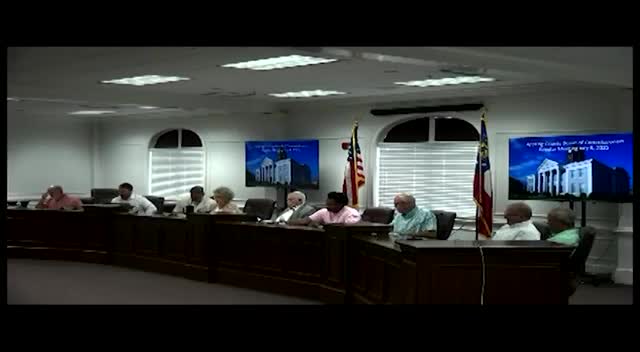
Summary
The board reviewed a resolution intended to implement a recently passed state house bill that would allow the county to process timber-tax certifications for property owners affected by hurricane damage and seek reimbursement from the state for refunded taxes.
The board reviewed a proposed local resolution to implement a recently passed state house bill designed to ease the timber-tax burden for owners of timber damaged in the hurricane.
Commissioner Sellers explained that the state passed a house bill allowing local governments to exempt or relieve timber owners from taxes on trees damaged by the storm if the owners apply for certification. "This resolution is given basically the timber tax giving releasing the burden of the tax for the ones damaged in hurricane Helena," Sellers said. He said the county tax commissioner would keep track of certifications and submit the county's claim to the state to be reimbursed for the tax amount the county would otherwise have collected.
Sellers told the board the local resolution is required to put the state's program into effect locally: "We still collect the tax, but through the grant, rather than the person, we get reworked," he said.
A motion to approve the resolution was made and seconded during the meeting; the public transcript available here does not include a roll-call vote in the excerpt, but the motion was moved by Commissioner Sellers and seconded by another commissioner in open session.
Why this matters: If adopted, the local resolution would enable the county to administer the state's reimbursement process for timber owners who lost timber in the storm. That shifts the tax reimbursement mechanism from individual taxpayers to a state grant process routed through the county tax commissioner's office.