District food services plans new menus after student taste tests and aims to reduce waste
Summary
Food services told the board it used student taste testing to redesign breakfast and lunch menus to meet USDA and K–12 nutritional guidelines while improving participation and reducing plate waste; board members pressed for details on waste rates and menu frequency.
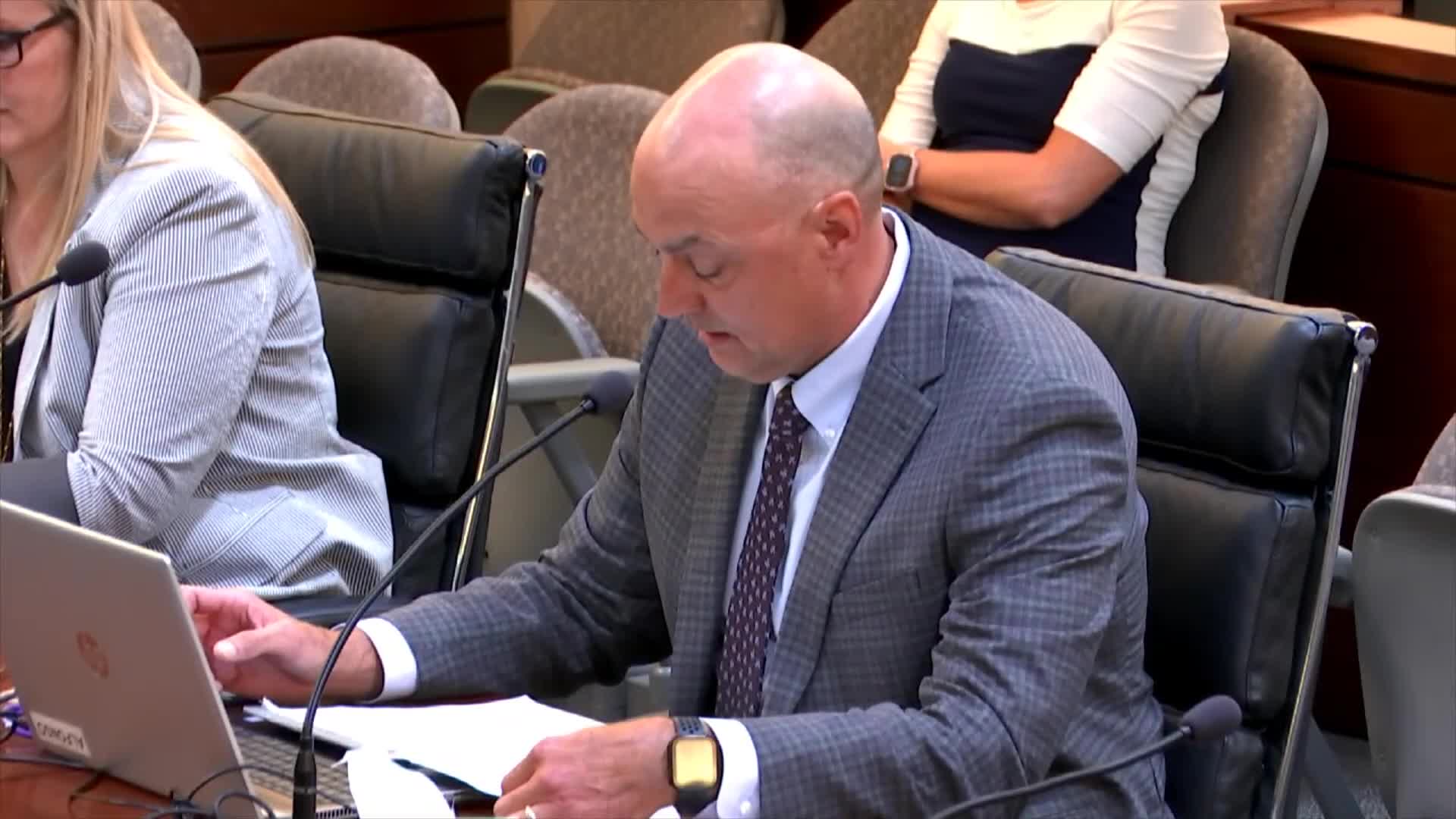
The Saint Tammany Parish School Board’s finance committee heard on July 10 that the food services department has used student taste testing and updated vendor offerings to redesign breakfast and lunch menus to meet updated USDA and K–12 nutritional guidelines while trying to reduce wasted food.
Superintendent Javi read a statement provided by the food services department that said, “As we look ahead to the new school year, our team is excited to roll out updated breakfast and lunch menus. These menus will meet our updated USDA guidelines, but are based on feedback from student taste testing.”
During questions, a board member asked, “How much do you see us throwing away?” The district’s food services director (name not specified in the transcript) replied that student taste testing guides vendor selection and menu frequency and described the constraints of K–12 nutritional standards (sodium, sugar, whole grains, calorie limits). The director said some previously popular items were reintroduced when they returned in bids at a reasonable cost and that certain popular items would be offered more frequently (for example, some items formerly offered monthly would return to weekly rotation).
The director noted the cost and labor involved in school meal preparation and expressed a priority to produce menus that reduction food waste. The superintendent confirmed the food services fund is expected to close the year with a balance of “over half a million dollars,” a point later reiterated in the financial update.
Why it matters: meal participation affects student nutrition and district reimbursement; excessive plate waste can signal poor menu fit and waste public funds.
What the record shows: the district used student taste testing to select menu items; the food services director stated the program must meet K–12 guidelines; the board asked for and received assurances that menu changes aim to increase participation and reduce waste.
Next steps: board members asked staff to monitor participation and waste rates; the district said it will continue working with cafeteria managers and vendors and adjust menus as necessary.