
Finalists recount past misconduct cases and describe accountability measures
Get AI-powered insights, summaries, and transcripts
Subscribe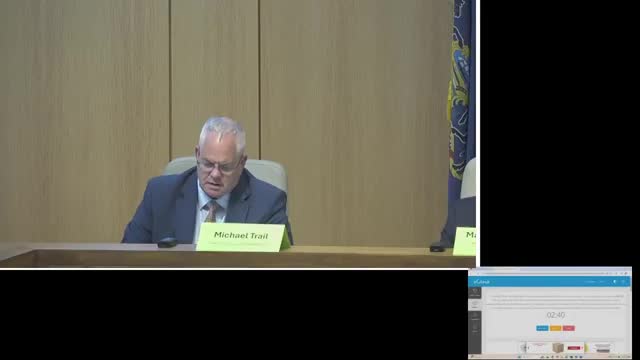
Summary
Candidates described past experiences dealing with officer misconduct — internal reports, early-warning systems, outside investigations and, in one case, termination — and urged use of training, technology and transparency to improve accountability.
At the town hall, finalists detailed examples from their careers when officers engaged in misconduct or when their departments faced public distrust, and they described steps taken to ensure accountability. Michael Trail said he testified in a Department of Justice civil-rights investigation while working in the Pittsburgh area and recounted discovering a current officer abusing a mobile data terminal. Trail said he removed the officer from a hiring process and emphasized training and technology such as body-worn cameras and analytics to detect problematic behavior. Mark Benjamin described supervising an officer with repeated performance problems who eventually pointed a firearm at himself while booking a suspect; Benjamin said he and supervisors documented prior counseling, used the early-warning system to monitor the officer and concluded the man should not remain in the job. He said the documentation and the recorded incident compelled administrative removal. Rich Klauser discussed an off-duty assault by a Norristown officer. He said command staff placed the officer on administrative leave, referred the matter to the district attorney and removed the officer’s firearm and badge; the officer was later prosecuted and terminated. All three candidates emphasized training, early‑warning systems, body‑worn camera review and external reviews in cases involving potential department misconduct. They stressed the importance of transparency with community leaders while noting legal and investigative limits on public disclosures during active investigations. No formal policy changes were adopted at the town hall; candidates’ accounts provide examples of past supervisory actions and the tools they would use as chief.