Get Full Government Meeting Transcripts, Videos, & Alerts Forever!
Get email alerts on the Trade Policy topic
No spam. Unsubscribe anytime.
U.S. official: Baseline tariffs set for Aug. 1 as administration seeks a global trade 'reset'
Summary
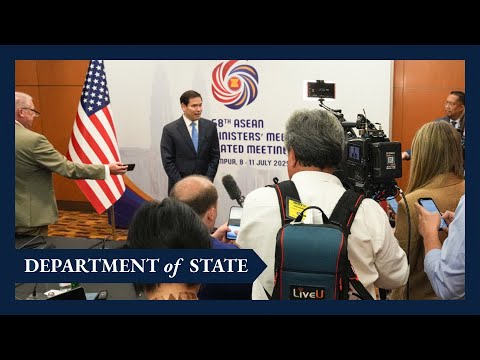
An unnamed U.S. secretary told reporters that a baseline of new tariffs will take effect Aug. 1 and framed the administration's approach as a global reset of trade, while deferring negotiation specifics to trade negotiators.
An unnamed U.S. secretary told reporters that the administration's baseline tariff levels will take effect Aug. 1, and said the move is part of a global effort to "reset trade" rather than a targeted action against individual countries.
The secretary said, "the baseline will take effect the August 1, but, obviously, as the president's made clear, there are opportunities for adjustments based on, arrangements that could be made between now and then." He added that "our negotiators" are handling the specifics and that he was not the trade negotiator.
Why it matters: The administration framed the change as a broad rebalancing intended to address large trade deficits and long-running supply-chain concerns. The secretary told reporters the United States remains the "number 1 source of foreign direct investment in Southeast Asia," saying the administration is not abandoning longstanding economic ties even as it pursues higher tariff baselines.
Details from the session: The secretary pushed back on the idea that tariffs would automatically create openings for China to become the dominant partner in the region, saying, "I don't agree with that assessment" and arguing the move is intended to make trade "fair for Americans after 2 or 3 decades of unfairness." He described the policy as a global reset affecting "virtually every country in the world," not a targeting of a small number of nations.
On who will negotiate specifics, the secretary repeatedly deferred to U.S. trade negotiators: "I'll refer you to our trade negotiators as far as the status of that." Reporters pressed about individual bilateral differences, and the secretary said that while trade was raised in many meetings, his meetings were not the venue for negotiating tariff levels.
The secretary also linked trade policy to broader industrial policy and supply-chain concerns, saying some core manufacturing and pharmaceutical processing capabilities "have left The United States" and need to be restored or diversified. He cited a recent Department of Defense equity stake in a rare-earths processor as an example of action aimed at securing supply chains.
Ending: The secretary emphasized that adjustments remain possible before Aug. 1 and that detailed outcomes would be announced as negotiators complete arrangements. He urged patience for specific tariff details, which he said lie with the trade team.