
Tyler and Smith County approve public-square lease and award $26.1 million downtown infrastructure contract
Get AI-powered insights, summaries, and transcripts
Subscribe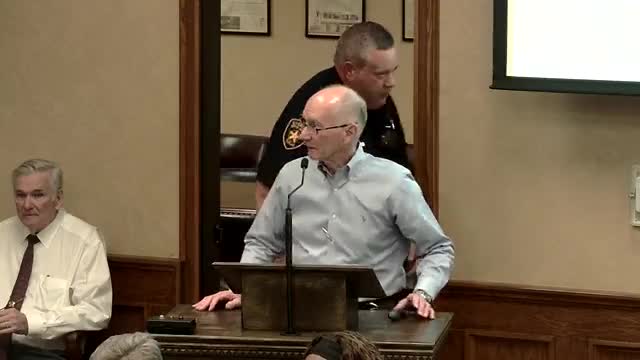
Summary
Tyler and Smith County officials on Tuesday approved a 10-year lease and use agreement for the Downtown Tyler Public Square and voted to award a $26,101,000 contract for the first phase of downtown infrastructure work, moving the long-planned downtown revitalization project into procurement and construction.
Tyler and Smith County officials on Tuesday approved a 10-year lease and use agreement for the Downtown Tyler Public Square and voted to award a $26,101,000 contract for the first phase of downtown infrastructure work, moving the long-planned downtown revitalization project into procurement and construction.
The measures, approved during a special joint meeting of the Tyler City Council and the Smith County Commissioners Court on July 8, 2025, authorize the city to manage programming and maintenance of the square and allow use of the site for construction laydown during work on the adjacent courthouse and streets.
The agreements matter because they clear legal and funding steps that supporters say will enable streets, sidewalks, utilities and pedestrian improvements intended to support future private development downtown. At the same time, a public commenter told the court the measures were rushed without adequate public disclosure and asked officials to delay action until taxpayers had more information.
During the meeting Deputy City Manager Stephanie Franklin reviewed the project history and funding sources, saying the city will contribute a majority of the infrastructure funding from the half-cent sales tax while water and sewer upgrades will be paid through TWU (water/sewer) funding and a small amount from the city’s information-technology fund. Franklin stated that “the total infrastructure improvement cost for phase 1 are 25,000,616” and said the planned start date for construction is August 2025.
Bill Hicks, the project engineer with HAF, described the scope of work. “The project that we’re talking about today includes streets, sidewalks, drainage, landscaping, water and sewer utilities, traffic signals, and lighting,” he said, and added the design aims to meet current codes and carry capacity for future high-density development.
The city council voted to authorize the city manager to execute a capital improvement contract with the contractor identified in the bid as the Fane Group for $26,101,000. The agreement before the council covered construction of the downtown infrastructure improvement project identified as phase 1; council members Nichols (mover) and Haney (second) made the motion and it passed on an aye vote.
Both governing bodies separately approved a 10-year Downtown Tyler Public Square lease and a Public Square use agreement governing programming, maintenance and fee policies. County commissioners moved and seconded the lease and use-agreement motions (mover: Commissioner Moore; second: Commissioner Carraway for the county lease; county use agreement moved by Commissioner Carraway; seconded by Commissioner Harrod) and each passed on voice votes. The city council later approved the same lease and use agreement (motion by Haney; second by Nichols), with council members indicating that some fee details and event-deposit amounts remain to be set by the council at a later date.
On revenue sharing, one participant noted the county will receive operating revenue from events on the square. “Seventy-five percent of the revenue that’s created from things happening on the square will be paid by the city to the county,” a speaker identified in the record as Joseph said during discussion.
A public commenter, Thomas Fabry, objected to the pace and public notice for the agreements and said the public packet did not include draft lease or planning documents. Fabry asked the commissioners to table decisions until citizens had an opportunity for detailed review. He raised multiple budget concerns, asking whether the downtown plan would add to other county obligations including courthouse debt, a parking garage bond and tax increment reinvestment zones.
Council and court members also discussed practical matters raised by commissioners and property owners, such as restroom facilities in the square and downtown safety. City officials said restroom fixtures would be durable stainless-steel type units and that the city has applied for a grant to add two additional police officers who will work downtown once the project is completed; city representatives said the officers will help monitor the square and restroom facilities.
Project consultants highlighted a decade-long planning effort and case studies of other Texas mid-tier cities that have pursued downtown investment. Fitzpatrick Architects’ representatives described recent private investments they said were linked to the courthouse and downtown revitalization vision. The city and county attorneys said the lease is a draft and that some administrative details, notably event fee schedules and deposit amounts, will be finalized by the city council at a later time.
Actions approved at the meeting will allow construction to begin as soon as contractual and permitting steps are finished; city staff said the first phase was bid in May and the low responsive bidder recommended to the council is the Fane Group of Fort Worth. The council and commissioners did not identify a timeline for finalizing fee schedules or for additional public sessions specifically dedicated to the lease and agreements.
The court and council adjourned after the votes; officials expressed that the measures mark a long-term community effort to revitalize downtown Tyler and support future private development around the square.