Get Full Government Meeting Transcripts, Videos, & Alerts Forever!
Get email alerts on the Nonpotable Water Parks topic
No spam. Unsubscribe anytime.
Commission asks staff for informational briefing on nonpotable water andcapacity limits affecting park projects
Summary
Commissioners asked staff to return an informational item about nonpotable/recycled water capacity, inactive wells and how water supply constraints affect park projects and future park construction in Pleasanton.
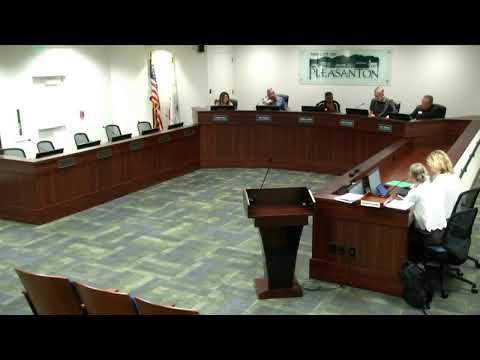
Commissioners asked staff on July 10 to prepare an informational briefing about nonpotable (recycled) water and the city’s current capacity after staff and commissioners raised questions about whether the city can convert park irrigation to nonpotable supplies.
During discussion a commissioner referred to an email from staff that said “the city doesn't have the capacity to do that,” prompting commissioners to seek clarity. Heidi said staff could prepare an informational item explaining how potable and nonpotable water are supplied and allocated and how that relates to the parks system, but cautioned: “it’s not our system. Right? So we don't have a lot of control over expanding capacity and doing things like that.”
Commissioners identified a few specific points they want addressed in the briefing: what capacity the city currently has for recycled water, whether the city’s inactive wells could be used for park irrigation, how allocations are split (a staff speaker referenced allocation split among three entities managed by “DSRC” in the email discussion), and how future housing growth referenced in the housing element might affect water availability for parks.
Staff agreed to return a refined informational item that explains the potable versus nonpotable systems, identifies where capacity constraints lie, and outlines what is within the city’s authority to change versus what would require coordination with external water agencies.
What’s next: staff to consult with water‑system colleagues and return an informational agenda item describing current nonpotable supply, constraints and options for parks, including whether inactive wells could be repurposed for irrigation.