
Saginaw board denies variance for driveway expansion and curbside paving at 2215 Trenton Street
Get AI-powered insights, summaries, and transcripts
Subscribe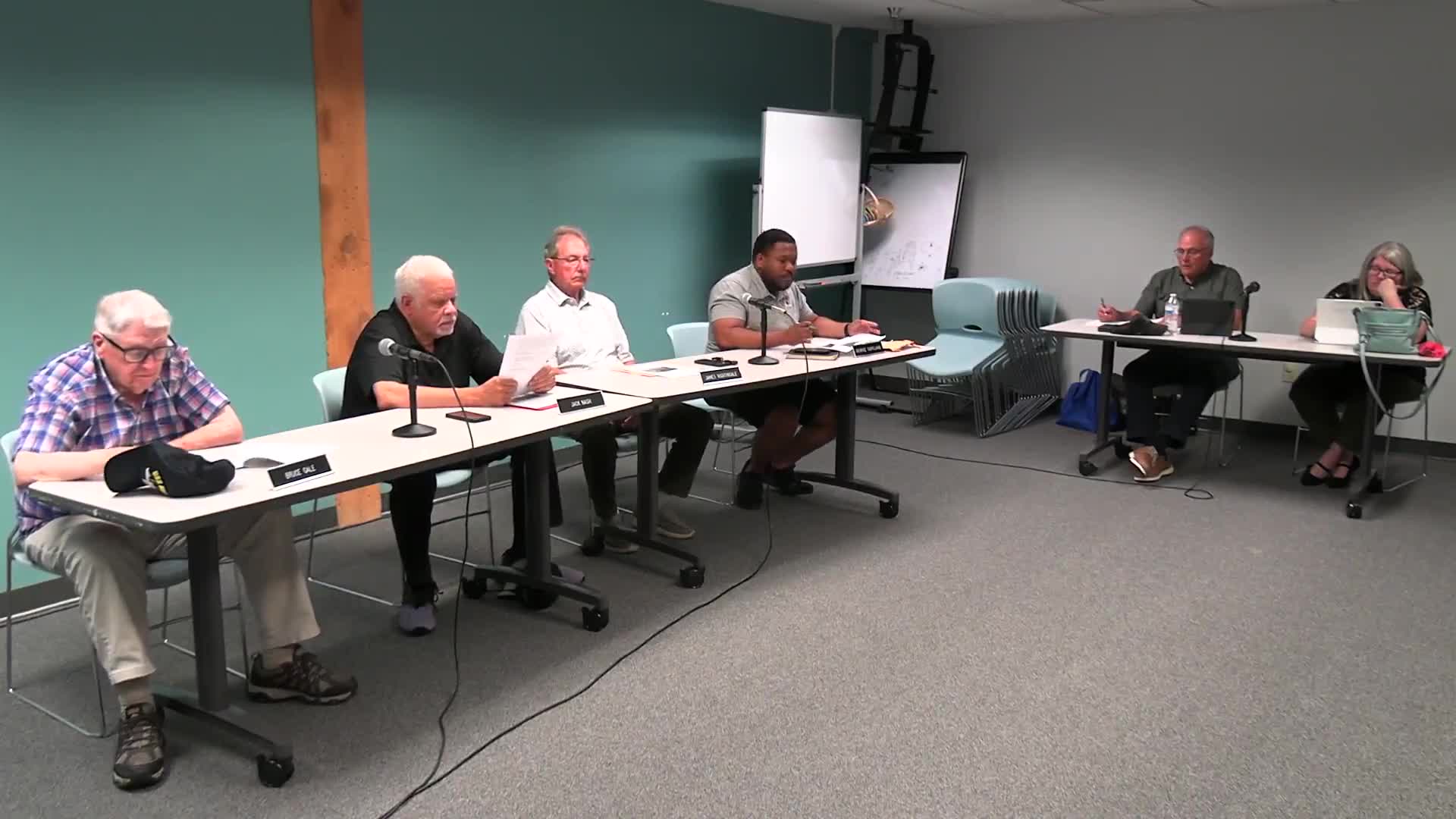
Summary
The Saginaw Board of Appeals and Zoning denied a homeowner’s request to allow an expanded driveway into the front-yard setback and paving within the public right of way at 2215 Trenton Street, citing city code and concern about setting a precedent.
At a meeting of the Saginaw Board of Appeals and Zoning, the board denied a variance request from Martha Stewart, the owner of 2215 Trenton Street, that would have allowed an expanded driveway into the front-yard setback and paving within the public right of way.
City planning staff told the board the property contains two violations of the city’s zoning rules: paving in the right of way between the sidewalk and curb (described in staff materials as “back of curb parking”) where no permit was obtained, and an expansion of the driveway into the front-yard setback. Staff recommended denial, saying approval would set a precedent for other properties.
The applicant, Martha Stewart, addressed the board and said she has been a landlord for 25 years and that contractors historically handled work without permits. “I learned a lesson that I should ask more questions,” Stewart said, asking the board to allow her to keep the paving rather than force its removal. A neighbor, Amy Cheethoff, spoke in support, praising Stewart’s property upkeep: “Of all the properties on the street and in that neighborhood, Marty has 1 of the best kept houses. Curb appeal is a 100%. The yard is never left to grow up… Her shrubs are always manicured.”
Board discussion focused on legal compliance and the potential for setting a citywide precedent that other homeowners might follow. City staff noted an example on North Mason Street where an exception had been made when on-street parking would have been lost during paving, but staff maintained the Trenton Street expansion does not meet the zoning ordinance. Several board members said the paving and driveway expansion directly violate the city code and that allowing the variance would encourage similar work without permits.
The board briefly conducted and rescinded a procedural vote before taking a final vote on a motion to approve the variance. Multiple board members announced they would vote against approval on the grounds it did not comply with city ordinance. The motion failed. The board recorded that an affirmative two-thirds vote (three votes in this case) is required to decide in favor of an appeal; that threshold was not met.
The meeting record notes that the action of this board is final and that the only further relief is through the courts. City staff advised that property owners may consult with city engineering about the possibility of applying for permits or other remedies, but no direction to staff to pursue alternate action was recorded.