Citizen Portal

Audrey Robertson, nominee for EERE, promises science-based leadership amid questions over cuts to renewable and grid programs

5356875 · July 11, 2025

Get AI-powered insights, summaries, and transcripts

Subscribe
AI-Generated Content: All content on this page was generated by AI to highlight key points from the meeting. For complete details and context, we recommend watching the full video. so we can fix them.

Summary

Audrey Robertson, nominated for assistant secretary of energy for energy efficiency and renewable energy, told the Senate committee she supports all forms of reliable energy and emphasized technology and grid modernization. Senators pressed her on proposed budget cuts to EERE, commitments to grants, and support for geothermal, batteries and NREL.

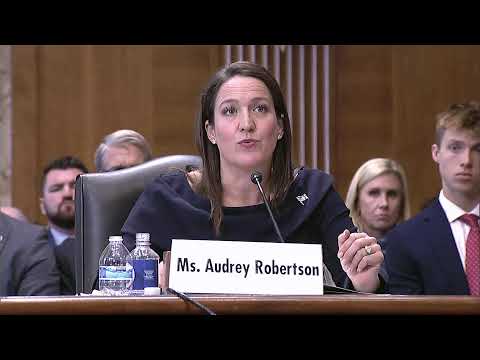
Audrey Robertson, President Trump’s nominee to head the Department of Energy’s Office of Energy Efficiency and Renewable Energy (EERE), told the Senate Energy and Natural Resources Committee on July 15 that she supports “all forms of reliable, affordable and secure energy” and pledged to make “science-based, common sense decisions” if confirmed.

EERE manages a broad portfolio of technology offices that fund work on technologies such as solar, wind, hydrogen, geothermal and grid integration. Ranking Member Senator Heinrich and other senators pressed Robertson on whether the office will continue existing award commitments and on the administration’s proposed budget reductions for EERE and related programs.

Why it matters: EERE funds and manages research, development and demonstration of clean-energy and grid technologies and works with national labs such as the National Renewable Energy Laboratory (NREL). Changes to EERE’s budget or priorities can affect projects already under award and longer-term technology deployment.

Robertson described private-sector experience in oil and gas and utility-scale solar development, including a 250-megawatt solar project outside Fort Collins, Colorado; she also cited investments in next-generation technologies such as small modular nuclear, geothermal and advanced batteries. She emphasized geothermal’s role as a potential stable baseload resource and referenced projects in Utah, Nevada and New Mexico.

On budget and grants, Robertson declined to commit to departmental funding decisions before briefings and before confirmation, but said she would “follow the law and the advice of counsel” and that she would “be an advocate for the great men and women working across the Department of Energy,” including at NREL. Senator Padilla asked whether Robertson would honor previously awarded grants to California; Robertson said she would “follow the law and the commitments of the United States government” and review program matters after confirmation.

Senators also raised appliance regulation and product-class protections. Chairman Lee asked Robertson whether she would assist the secretary “to ensure that product classes are used to protect features on appliances that are important to American consumers.” Robertson answered the department should avoid “burdensome costly regulations that don't have a net benefit to individual Americans” and that she would work with the committee and staff on specific issues.

On innovation for grid-scale batteries and storage, Robertson said she supports battery technology and innovation and that lab programs and national-lab testbeds are important to advance storage capabilities, though she said she could not discuss budget allocations until she is in office.

The committee did not vote on her nomination; written questions and statements were left open through committee deadlines.