Get Full Government Meeting Transcripts, Videos, & Alerts Forever!
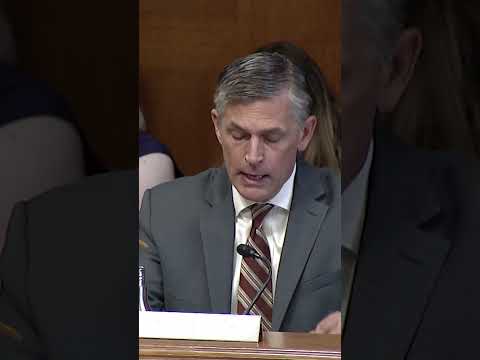
Public commenter tells Senate Energy panel cuts to efficiency programs and tax-credit rollbacks will raise household energy costs
Summary
During public comment to the Senate Energy and Natural Resources Committee, a commenter warned that administration and legislative changes — including a proposed 74% cut to energy-efficiency programs and rollback of clean-energy tax credits — will increase energy costs for American families, citing estimates tied to a "reconciliation bill."
A public commenter told the Energy and Natural Resources: Senate Committee that planned reductions to federal energy-efficiency and renewable energy programs and a rollback of clean-energy tax credits will raise energy costs for American households.
"One of president Trump's first acts after being sworn in for his second term was to abandon our efforts to transition to a clean energy economy," the commenter said. "The department has announced plans to…
Already have an account? Log in
Subscribe to keep reading
Unlock the rest of this article — and every article on Citizen Portal.
- Unlimited articles
- AI-powered breakdowns of topics, speakers, decisions, and budgets
- Instant alerts when your location has a new meeting
- Follow topics and more locations
- 1,000 AI Insights / month, plus AI Chat