Get Full Government Meeting Transcripts, Videos, & Alerts Forever!
Get email alerts on the Tree Species List topic
No spam. Unsubscribe anytime.
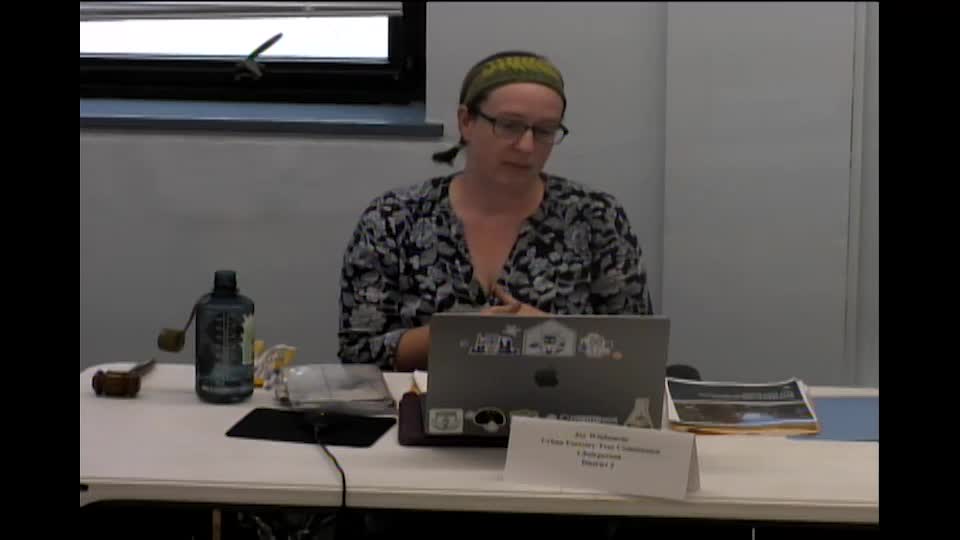
Commission starts work on a Worcester street-tree species list to guide planting and development
Summary
Commissioners discussed compiling a master tree species list with different views for the public, developers, and internal commission use; staff plans to maintain an editable spreadsheet and may create simplified lists for planning and ordinance use.
The Worcester Tree Commission discussed development of a city tree species list to guide street and development plantings, and agreed to continue compiling a master spreadsheet this summer.
Commission staff and commissioners described a multi-tier approach: a detailed master list maintained by the commission for technical use, a developer-facing list with essential data fields (height, spread, hardiness) that planning staff and vendors can use, and a simplified public-facing list. Commissioners discussed sample lists from other cities and emphasized the practical need to include numeric height and canopy width rather than only relative categories. Staff said the working spreadsheet is in the commission’s Google Drive and that students could help format and present the list in fall.
Commissioners discussed what data fields are most useful for developers and planners, including mature height, canopy width, invasiveness, and nursery availability. Staff cautioned the commission against listing preferred nurseries; instead the spreadsheet will include neutral source links or reference databases such as Morton Arboretum and university plant databases. The commission placed the item into old business for continued work and asked staff to share contact information for the incoming commissioner so the new member could be briefed before September.
Next steps: staff will share the working spreadsheet with the full commission and planning staff, continue populating species records over the summer, and produce a developer-facing subset of required fields for the planning department to review.