Get Full Government Meeting Transcripts, Videos, & Alerts Forever!
Get email alerts on the Public Health Pharmaceutical Access topic
No spam. Unsubscribe anytime.
Council adopts emergency resolution urging state to restore coverage for GLP‑1 weight‑loss drugs
Summary
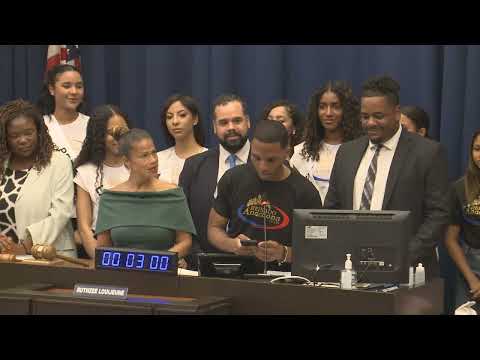
After Councilor Sharon Durkin described her personal health benefits from GLP‑1 medication, the council adopted an emergency resolution calling for the governor and legislature to reverse moves limiting public-employee coverage and to establish a task force to evaluate access.
The City Council on July 9 adopted an emergency resolution calling on state officials to protect access to GLP‑1 medications (such as Wegovy, Zepbound and similar therapies) and to convene a task force of medical experts, patients and insurers to evaluate clinical and economic impacts.
Councilor Sharon Durkin described a recent, personal experience with a GLP‑1 medication and said the treatment had meaningfully improved her health and helped reverse metabolic risks. She said the governor’s directive to the Group Insurance Commission and insurer announcements removing coverage for weight‑loss indications would strip access from hundreds of thousands of workers, including some city employees who already lost access on July 1.
“GLP‑1 medications like Wegovy, Zepbound and Ozempic are not cosmetic or vanity drugs. They are real treatments for real diseases,” Durkin said during the meeting and urged the legislature to reject the governor’s directive and to convene a statewide expert task force.
Councilors from multiple districts spoke in support, urging evidence‑based review and warning that restricted access could deepen health inequities and raise long‑term costs for care. The council voted to add the emergency resolution to the agenda and adopted it; the clerk recorded an affirmative roll call on the late‑file emergency docket.
Why this matters: GLP‑1 receptor agonists are being prescribed in increasing numbers for obesity and type‑2 diabetes care; decisions by major insurers and the Group Insurance Commission affect access for public‑sector employees and could influence private coverage policies. Advocates argue that broader coverage can prevent downstream health costs; opponents have cited budgetary and cost‑control reasons.
What’s next: the resolution asks state lawmakers to reject the governor’s directive, asks the governor to establish a task force and requests that city and state officials evaluate ways to preserve access for affected workers. The resolution is advisory at the municipal level; it urges action by the state.