Get Full Government Meeting Transcripts, Videos, & Alerts Forever!
Get email alerts on the Climate Resilience Parks topic
No spam. Unsubscribe anytime.
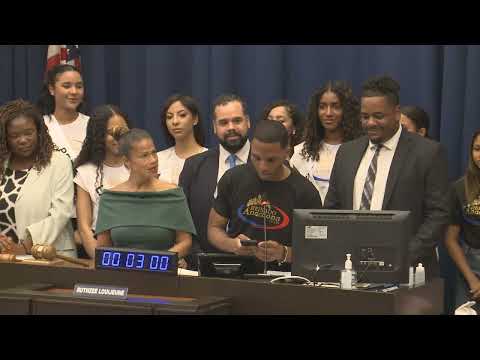
Council chair moves FEMA-funded Mokeley Park resiliency work forward after debate over district hearing
Summary
The council referred a $1.17 million FEMA BRIC grant for Mokeley Park to the Committee on Environmental Justice, Resiliency and Parks after debate over whether the district councilor should receive a separate public hearing before accepting the funds.
The Boston City Council on July 9 took up a message and order (docket 1258) authorizing the acceptance and expenditure of up to $1,170,000 in Federal Emergency Management Agency (FEMA) Building Resilient Infrastructure and Communities (BRIC) funds for phase 1 design, engineering and permitting work at Mokeley Park in South Boston.
Councilor Calabrio Zapata, chair of the Committee on Environmental Justice, Resiliency and Parks, read a parks department memo describing the BRIC grant as a reimbursable award with a 70% federal, 30% nonfederal cost-share; the memo lists a $351,000 city share within the $1,170,000 total. The grant covers resilient berm and coastal landscape design to 100% and coordinated permitting for local, state and federal approvals. The parks department said the work is expected to begin July 2025 with an 18‑month timeline and that project phases and further federal funding are anticipated for later years.
District councilor Ed Flynn sought a public hearing before the council suspended and passed the grant, saying residents — including Boston Housing Authority tenants near Mokeley Park — deserved a forum to learn how the funds would affect athletic fields, park programming and safety issues such as lead contamination that has previously closed parts of the park. Flynn asked for translation and community outreach to ensure residents could participate.
Councilor Coletta Zapata (Committee chair) and other councilors said the BRIC award specifically funds community engagement and design work; accepting the grant would enable those engagement processes. Councilor Murphy and others said an expedited hearing could be scheduled if needed and that accepting the funds now would not prevent a subsequent council hearing.
The committee chair recommended passage and the council referred the docket to the committee on environmental justice, resiliency and parks for further review and oversight of the grant and design/permitting work.
Why this matters: the BRIC grant supports coastal resilience measures in a neighborhood bordering public housing; Councilor Flynn urged a public hearing to ensure affected residents can review design choices and mitigation for known issues (lead in park soil) while other councilors argued accepting the grant would preserve federal funding and fund the very community engagement Flynn sought.
What’s next: the matter will be handled in committee; councilors requested follow-up on community engagement plans and permitting schedules and said a public hearing could be scheduled soon so residents can comment during the design phase.