Get Full Government Meeting Transcripts, Videos, & Alerts Forever!
Get email alerts on the Transportation Policy topic
No spam. Unsubscribe anytime.
Lynn panel corrects transportation manual language, adds protections for students with IEPs
Summary
The School Committee approved minor edits to Policy EE to remove obsolete desegregation language and add language to protect students with IEPs from being dropped off without an adult present.
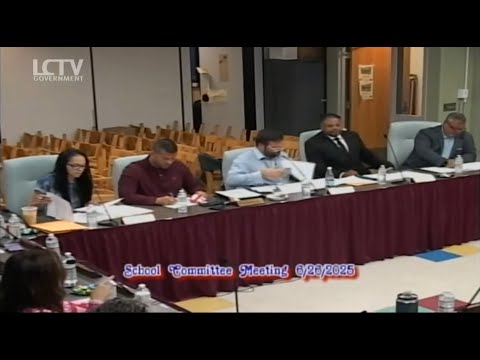
The Lynn Public Schools committee on June 24 approved revisions to Policy EE (Transportation Services) that remove outdated references to desegregation and add protections for students receiving special education transportation.
Attorney Charlie Gallo explained the changes as technical corrections and a substantive safety clarification. The first and third paragraphs previously included language about transportation “on the basis of desegregation,” language Gallo said has not applied in Lynn for years; the draft strikes those lines to align the manual with current practice. The policy continues to provide transportation for elementary students who live two miles or more from their assigned neighborhood school in compliance with Massachusetts statute.
Separately, the revised policy adds language to ensure students served under an Individualized Education Program (IEP) are not left at home without a parent or guardian present. Gallo said the change was requested by the district’s transportation provider (NRT) and was shaped with input from Christina Colella (special education), Johnny Castillo (transportation), and the district attorney.
Gallo said the language draws from Cambridge Public Schools’ policy and was reviewed by district counsel. The committee voted to move the revised policy forward and adopt it at the full committee meeting; the roll-call votes recorded present members approving the change.
The committee noted that the superintendent retains discretion to handle exceptions and that revisions were intended to align policy with existing practice and operational needs of student safety.