Get Full Government Meeting Transcripts, Videos, & Alerts Forever!
Get email alerts on the Youth Services Supplements topic
No spam. Unsubscribe anytime.
Center for Supportive Communities and Children’s Advocacy Center request supplemental funds for youth services
Summary
Two community partners asked the County Commission for supplemental funds to cover lost grants and to expand trauma‑focused therapy for children; staff noted reporting thresholds differ for smaller community partner agreements.
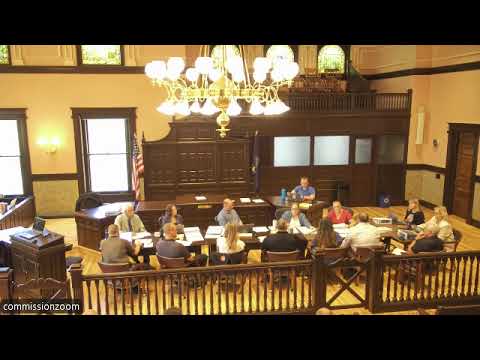
Two community organizations that provide services to children and youth told the Douglas County Commission on July 9 they need supplemental support after recent grant changes and to sustain trauma‑informed mental‑health services.
The Center for Supportive Communities (CSC) said a recent federal reduction to AmeriCorps funding left a gap in 2025 operations that the organization had funded with AmeriCorps stipends and staff support. CSC requested supplemental funding to recover that lost AmeriCorps support, to add a board‑certified behavior analyst position and to provide salary adjustments for staff. CSC leaders said the program has trained volunteers and field interns and that their model has reduced unexcused absences and improved school attendance for many participants in the program. CSC submitted internal outcome graphs and reported recent reductions and progress metrics in its supplemental packet.
The Children’s Advocacy Center (CAC) requested supplemental funds to continue specialized trauma‑focused therapy for children and caregivers after a three‑year National Children’s Alliance funding cycle ended last year. CAC said it trained local clinicians in trauma‑focused cognitive behavioral therapy (TF‑CBT) under that prior grant but that therapy access still requires funding when families lack insurance or other coverage. CAC said it has used a combination of Douglas County Community Foundation support and unrestricted funds to continue services and asked the county for additional help to cover therapy slots and avoid interrupting ongoing treatment: “We want to keep kids with the same therapist… sometimes we have kids and families who are really they want a male therapist… we wanna be sure we have that flexibility,” a CAC representative said.
Commissioners observed that both organizations currently receive county funding under community partner agreements (below the county’s higher “service agreement” reporting threshold), meaning the county provides two disbursements per year and requests financials and 990s but typically does not require monthly invoicing or detailed service‑level invoicing. County staff noted the supplemental requests are more service‑specific and recommended careful review of ongoing reporting needs if the commission considers expanding funding.
Ending: No funding decisions were made during the hearing. Commissioners asked for additional documentation and urged staff to consider whether larger, ongoing requests should be moved into service agreements that require regular performance reporting.