Get Full Government Meeting Transcripts, Videos, & Alerts Forever!
Get email alerts on the Student Devices Policy topic
No spam. Unsubscribe anytime.
Board discusses state 'internet-enabled device' ban, district plans and policy adoption
Summary
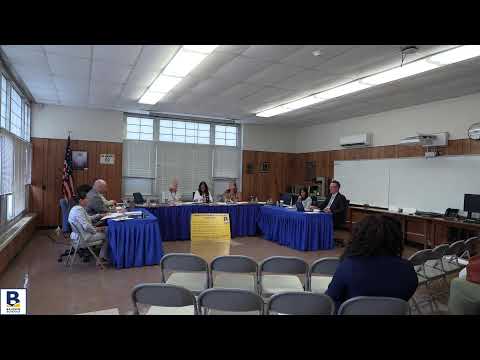
A new state regulation that restricts student possession and use of internet-enabled devices on school property dominated discussion at the Baldwin Union Free School District Board of Education meeting on July 9, 2025.
A new state regulation that restricts student possession and use of internet-enabled devices on school property dominated discussion at the Baldwin Union Free School District Board of Education meeting on July 9, 2025.
Superintendent Dr. Sherry Cammy described the rule as "not just a cell phone ban" and said the regulation covers any student device capable of connecting to the internet — including cell phones, smartwatches and other wearables. She told the board the district had historically barred phones K–8 and allowed limited noninstructional phone use at the high school; the state regulation requires broader changes.
District staff said they are evaluating so-called "Yonder" (signal-blocking) pouches that allow students to keep devices on their person while preventing connectivity. The pouches use a magnetic/locking mechanism that can be unlocked at designated kiosks or with handheld devices so students can access phones off campus (for example, at lunch if they leave school property). Initial price estimates discussed in the meeting were about $40 per pouch; state funds to cover the cost were mentioned as promised but not yet released.
Student representative David Krewitz raised academic and technical concerns: some students bring personal laptops, tablets or phones for coursework because certain educational websites were accessible on personal devices but are blocked on the district-managed Chromebooks. "The website they used to study has been restricted," he said, and asked whether the district has an expedited process to review and approve instructional sites. District technology staff and administrators explained there is an existing review process: teachers request site access, the district evaluates vendors’ digital‑privacy agreements and — if a vendor will sign required protections — the district can authorize use. Officials noted some vendors or third-party services refuse the required agreements under New York's digital privacy rules (Ed Law provisions and state guidance), so access sometimes cannot be granted.
Board members pressed staff on logistics and costs: how pouches will be unlocked at building exits, whether students are financially responsible for lost/damaged pouches, and how to prevent students from attempting to circumvent the system (for example, by using a secondary or "burner" device). Staff said kiosks, mounted unlock stations and handheld units for security staff are all options under consideration. The superintendent called the law an "unfunded mandate" in practice because the district's budget was prepared before the state budget enacted the new requirement; she said the district will await any state disbursement earmarked to cover pouches and related equipment.
The topic returned later in the meeting when the board approved the second reading of a revised policy on students and personal electronic devices (Policy 5695). The motion for the second reading and subsequent approval passed by voice vote.
Administrators and the board asked families to limit texting to students during school hours to reduce the incentive for in-school device use, and staff signaled they will develop communications and enforcement procedures during the summer so the policy can be implemented with the fall semester.