Get Full Government Meeting Transcripts, Videos, & Alerts Forever!
Get email alerts on the Public Health Diabetes topic
No spam. Unsubscribe anytime.
Local health officials urge prevention as diabetes rates climb
Summary
At a Middletown Board of Health meeting, a physician-led education presentation reviewed diabetes types, diagnosis, complications and treatments and urged earlier prevention and community education ahead of the citys Sept. 27 health fair.
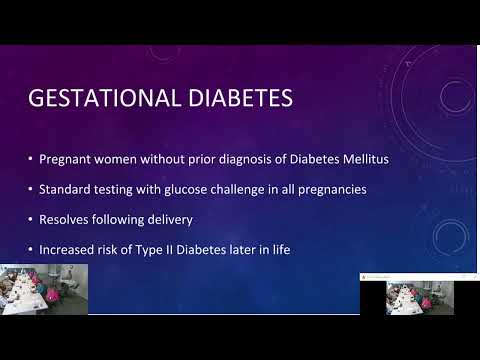
A physician who presented to the Middletown Board of Health on diabetes outlined how the disease is diagnosed, the differences among type 1, type 2 and gestational diabetes, and the long-term complications that make prevention a public-health priority.
The presenter said diabetes is a chronic metabolic disorder characterized by high blood-sugar levels and noted three diagnostic tests commonly used: a fasting blood glucose above 126 mg/dL, a two-hour oral glucose tolerance test above 200 mg/dL, and a hemoglobin A1c of 6.5% or higher. "Any one of those three would diagnose you with diabetes," the presenter said.
Why it matters: The presenter cited global and U.S. estimates and described the human and fiscal costs of uncontrolled diabetes, including heart attack, stroke, amputations, blindness and dialysis. The board discussed ways to emphasize prevention and education at community events, including Middletowns upcoming health fair on Sept. 27.
Board members and attendees described barriers to prevention in Middletown, including food access, convenience culture and limited public education. At least one attendee emphasized that healthy food can be more expensive and that cultural diets and convenience make behavior change difficult. The presenter agreed education and early interventions are key, saying long-term complications are often irreversible once they appear.
On treatment, the presenter summarized current options: insulin therapy for people who lack endogenous insulin; oral agents such as metformin and newer oral medications for many with type 2 diabetes; injectable GLP-1 receptor agonists and continuous glucose monitors and insulin pumps in certain patients. The presenter noted the clinical benefits of recent drug classes but added, "They are very expensive," and said payor hurdles limit access for some patients.
Several board members and staff asked how the health board could amplify prevention efforts. Suggestions included programming at the health fair, nutrition education for families, demonstration gardens and outreach to younger adults who may not seek routine care. The presenter and staff noted the health fair will offer free screenings — including cholesterol, glucose and possibly A1c testing — and a table on nutrition and dental health.
The presentation closed with a reminder to prioritize early education and regular screening. "If a diabetic gets their A1c below 6.5, they dramatically reduce their 10-year risk for complications," the presenter said. The board agreed to highlight prevention and screening at the Sept. 27 event at the Middletown Event Center.