Get Full Government Meeting Transcripts, Videos, & Alerts Forever!
Get email alerts on the Parking Space Tax topic
No spam. Unsubscribe anytime.
Proposed 50¢ parking-space tax would fund standalone bike, pedestrian projects; MBTA would administer
Summary
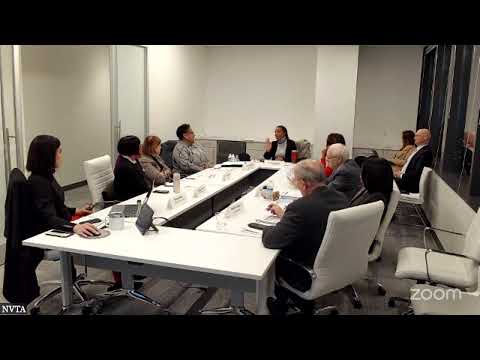
On Jan. 9, 2025, the MBTA Government and Personnel Committee reviewed Senate Bill 1007, a proposal to impose a 50¢ annual tax on privately owned off‑street parking spaces in Planning District 8 to create a dedicated revenue stream for standalone bicycle and pedestrian projects.
On Jan. 9, 2025, the MBTA Government and Personnel Committee reviewed Senate Bill 1007, a proposal to impose a 50¢ annual tax on privately owned off‑street parking spaces in Planning District 8 to create a dedicated revenue stream for standalone bicycle and pedestrian projects.
The proposal would tax each parking space and bill the property owner or retailer, not individual parkers, and it exempts parking related to single‑family detached residences. Committee members said the bill is silent about nonprofits and hospitals and that the state bill text does not yet show co‑patrons or a revenue estimate.
Committee member said, "It's a tax. I mean, it's a it's a 50¢ tax per space," as members discussed how the charge would be assessed and who would receive the bill. Committee members and staff noted examples to show scale: a 1,000‑space garage would face about $500 a year in fee liability under the bill as written.
Members discussed how the revenue would be handled. MBTA staff explained that localities would collect the fee, remit it to the state treasurer and the Northern Virginia Transportation Authority (NVTA) would receive the money; NVTA would be required to establish a subfund and a prioritization and programming process similar to how 70% and 30% NVTA funds are currently handled. The committee was told MBTA would likely be responsible for administering the program and setting prioritization rules if the bill passes.
Committee members raised several implementation questions: no one on the committee had an estimate of total taxable spaces in Planning District 8; the bill is silent on charitable/nonprofit exemptions; some park‑and‑ride facilities were funded with federal dollars and may be subject to federal use restrictions; and MBTA would need additional staff to run the program. One staff member summed up the unknowns by asking how much revenue the measure would actually generate.
Members also discussed policy interactions with existing NVTA programming. MBTA staff said projects funded under this proposal could overlap with projects eligible for NVTA's 30% regional funding and that NVTA would need to adopt policies to prevent double reimbursement. The committee noted likely pushback from retailers and real estate interests and that the measure’s effect will vary substantially by location (for example, downtown commercial centers vs. smaller localities).
The committee did not take a formal position on the bill during the meeting and there were no motions related to SB 1007. Members asked staff to seek further information — including revenue estimates, lists of taxable spaces and details about federal‑funded parking facilities — before voting on a recommendation.
Background context: the committee met Jan. 9 and reviewed General Assembly scheduling deadlines: governor's amendments due March 22, the reconvened veto session begins April 2, and the last day to file bills is Jan. 17. Staff said they expect more information about SB 1007 to appear as bills and amendments are posted this week.