
Germantown committee narrows public-safety building study, approves limited cost review of prior options
Get AI-powered insights, summaries, and transcripts
Subscribe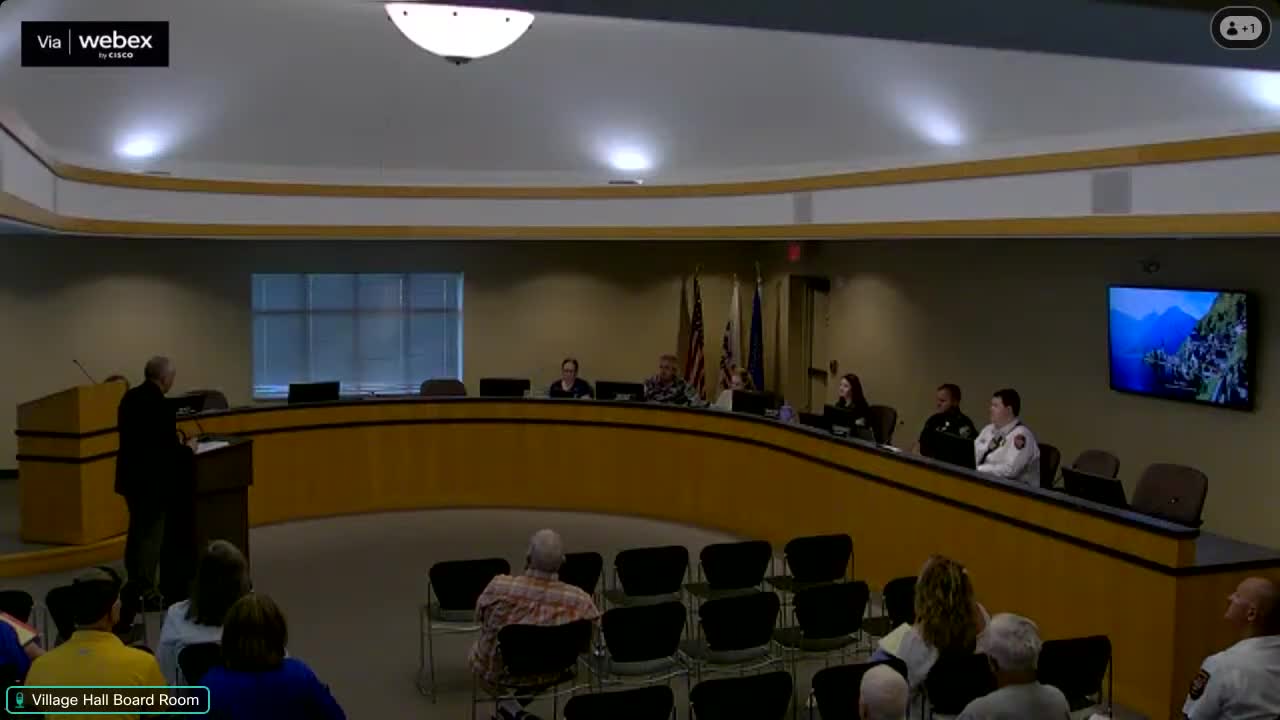
Summary
The Public Safety Committee approved a focused cost review of previously presented facility options and declined broader, more expensive analyses including a combined police-fire facility at Kinderberg Park. The committee approved only option 1 and will pursue more limited cost-saving re‑engineering of earlier proposals.
The Germantown Public Safety Committee on July 7 approved a limited study to “identify cost reductions” in previously presented police and fire facility plans and rejected broader analyses of several alternative sites, including a combined facility at Kinderberg Park.
Committee members voted to move forward with the first option in a package of seven alternatives presented by staff and consultants; that option calls for re‑examining last fall’s proposals to find ways to scale back features and reduce cost. Administrator (name not specified in transcript) told the committee the total cost to analyze all seven options would be $75,200. The committee declined motions to fund separate analyses of other options after debate over expense and site suitability.
Why it matters: the committee has been seeking a path to address aging facilities and space shortages in both departments without immediately committing to high-cost construction. Fire and police leaders told the committee both departments have outgrown their buildings and cited HVAC and space failures that affect operations and health and safety.
In discussion, trustees split over the scale of any new facility. Trustee Baum urged planning for long-term needs, saying residents objected when the village previously built oversized facilities; others, including Trustee Morst and Trustee Borst, opposed using Kinderberg Park for a combined facility because of neighborhood impacts. Administrator (name not specified) and staff stressed that Kinderberg Park was identified only because it is one of the few village‑owned parcels large enough to host a combined building and that staff was not recommending the park as a preferred site.
Fire battalion chief Ryker described immediate maintenance needs at Fire Station 2 — including window and HVAC problems that have caused high indoor humidity and mold remediation — and supported advancing renovation and expansion planning for that station. Police Chief Martin said the police station, built about 42 years ago, is undersized and has rooms converted from closets to offices; he supported long‑term planning to meet future staffing levels.
After a series of motions to consider individual options, the committee approved only option 1 (re‑engineering the previously presented options to identify cost reductions). The chair noted option 1’s estimated cost falls below the committee’s $25,000 threshold for approval authority and that staff may proceed without forwarding the item to the full village board. The larger $75,200 estimate was cited as the cost to study all seven alternatives together.
Next steps: the committee directed staff to proceed with the limited review under option 1. Committee members also agreed to tour existing facilities: the next public‑safety meeting was set for Aug. 4, starting at 5:30 p.m. (location to be finalized), with a plan to schedule additional on‑site reviews in coming months.
Ending: The committee did not authorize work on other individual options at this meeting; several motions to study alternative sites or to repurpose the village’s recently purchased Ascension Building failed. Staff said Ascension remains under a lease through 2027, which would delay any conversion until at least 2028 if that site were pursued.