Get Full Government Meeting Transcripts, Videos, & Alerts Forever!
Get email alerts on the Waste Management topic
No spam. Unsubscribe anytime.
Plumas County approves solid-waste rate increases for two franchise areas after public hearing
Summary
Following public hearings and comments, the board adopted revised fee schedules for Feather River Disposal (franchise area 1) and Intermountain Disposal (franchise area 2); supervisors emphasized contract term review ahead of future bids.
The Plumas County Board of Supervisors adopted revised fee schedules on July 1 for two rural franchise service areas: Feather River Disposal (Service Area 1) and Intermountain Disposal (Service Area 2). The changes were the result of the contractually required annual rate review performed by a third-party auditor and a public hearing process.
Nut graf: County staff and the franchisees explained that rates are set under franchise agreements that require audited financial statements and application of a refuse-rate index reflecting local costs (fuel, labor, disposal). Public commenters criticized the changes as benefiting large corporate shareholders and called for a future competitive procurement; county officials said the franchise contracts include mechanisms to limit excessive profitability and that the current rate adjustments follow the contract terms.
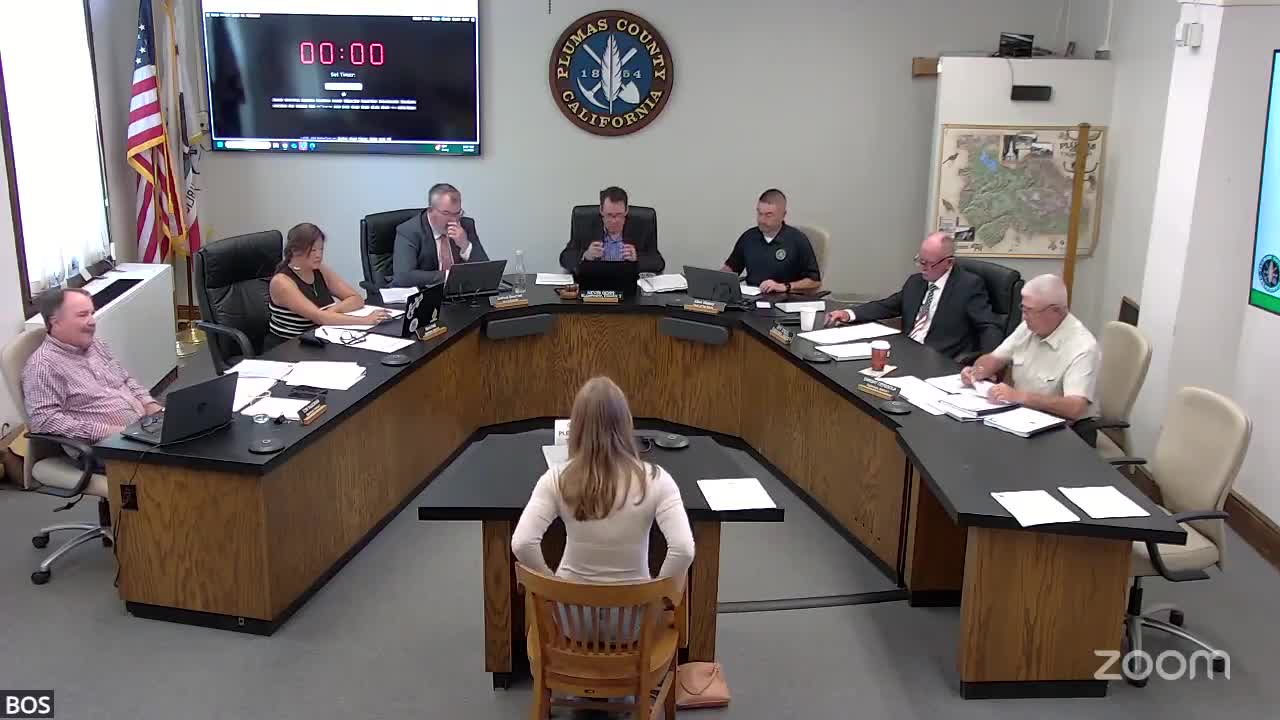
Public comments: Dozens of residents addressed the board at a lengthy public hearing. Opponents argued that Waste Management and similar corporations return large dividends to shareholders while local service levels decline; others said the physical layout and limited hours of local transfer stations make disposal difficult for seniors and people without vehicles. County staff and a local task-force member responded that the county’s rate process relies on audited financials for the service area and that the franchise agreements allow the county to cap excessive profits and, eventually, open the contracts for competitive bidding when they expire.
Board action and votes: After public comment the board approved both franchise rate schedules by roll call vote. The board chair noted written protests had been received but were not sufficient to block the adjustments under the franchise protest thresholds. Supervisors and staff discussed negotiating shorter contract terms in future procurements to increase competition.
What it means for residents: The rate determinations will be implemented under existing franchise processes. County staff said customers will be notified via the franchise operators about effective dates and details; residents in denser communities that have separate municipal contracts (Portola, Downtown Quincy, Chester Public Utility District) were not affected by these franchise adjustments.
Follow-up: Staff said they will continue to seek more frequent public engagement ahead of the next franchise procurement and encouraged residents to participate in future contract negotiations and board meetings.