
Cobb County holds first public hearings on proposed 2026 millage, budget; fire millage trimmed slightly
Get AI-powered insights, summaries, and transcripts
Subscribe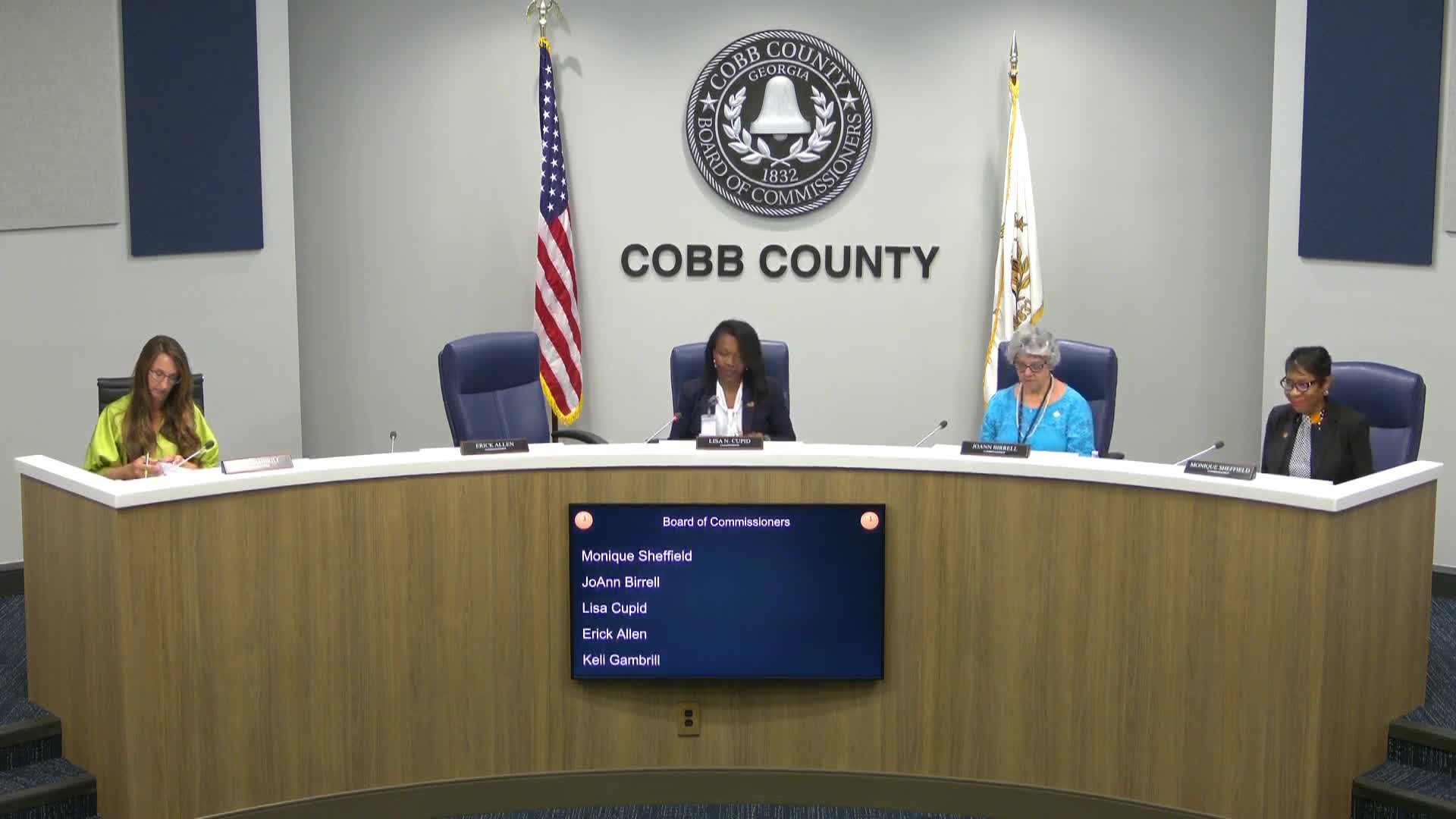
Summary
Cobb County finance officials on Tuesday opened a series of public hearings on proposed millage rates and the county’s draft 2026 budget, detailing a recommended general fund rate that would remain flat at 8.46 mills and a proposed 0.02‑mill decrease for the fire district, roughly $1 million in revenue.
Cobb County finance officials on Tuesday opened a series of public hearings on proposed millage rates and the county’s draft 2026 budget, detailing a recommended general fund rate that would remain flat at 8.46 mills and a proposed 0.02‑mill decrease for the fire district, roughly $1 million in revenue.
The first public hearing covered the millage schedule and digest trends; county staff also presented a separate public hearing on the proposed budget that shows a $48 million net increase driven largely by water operations, personnel costs, and health‑care/claims funds.
Why it matters: the hearings begin the formal public comment period that must precede any millage adoption. Changes in the millage and the county’s budget affect property tax bills, the level of funding available for the fire district and other services, and how utility fees are used for infrastructure versus transfers to the general fund.
Deputy Chief Financial Officer Buddy Tessa led the millage presentation and said the county would hold three hearings: the second on July 16 at 6:30 p.m. and the final public hearing and adoption on July 22 at 7 p.m. He described four separate millage components the county manages: the general fund (recommended flat at 8.46 mills), the fire district (proposed down by 0.02 mills), the Cumberland Special Service District (proposed to remain at 2.45 mills), and the now‑inactive Six Flags special service district (proposed at 0 mills following Mableton’s creation). Tessa also highlighted a 3.39% net taxable digest increase for 2025 and used a sample homeowner bill to show how Cobb’s floating homestead exemption keeps the general fund portion of a typical bill roughly steady (about $609 in the example) despite rising market values.
CFO Bill Vogtman presented the budget highlights. He said the county’s net budget increase moved from $49 million to $48 million after accommodating the 0.02‑mill proposed fire reduction. Vogtman said the budget includes a personnel roster update that added no new general‑fund positions but increased the overall budget by about $12.3 million because previously vacant, board‑authorized positions have since been filled (106 positions filled since the last snapshot). The proposed budget also includes a 2% pay scale adjustment/Cost‑of‑Living Adjustment and continuation of merit/step increases, which Vogtman estimated at roughly $8.6 million and is scheduled to take effect in March.
Vogtman described the largest drivers of the budget increase: roughly $11.4 million in increased water operations costs for purchases, chemicals, electricity and gas; higher health care and workers’ compensation claim funding (about $5.9 million); and a cost allocation update for internal services (about $2.5 million). He also outlined board impact items (agenda items approved during the year that affect future budgets) of $2.2 million, down from more than $16 million the prior year.
Public commenters focused on the water fund transfer, utility fee increases, and the proposed fire millage reduction. Several speakers said the county should stop transferring water‑fund revenue to the general fund and instead keep it for water infrastructure. One speaker noted that Cobb has about 250,000 water customers and that an $8 monthly fee generates about $2 million per month; another said the county had experienced recent sewer overflows and that water fees should remain dedicated to infrastructure. Resident Denny Wilson spoke against reducing the fire millage, saying local calls and apparent workload justify the current funding level.
Chairwoman Cupid and county leadership acknowledged the concerns. Chairwoman Cupid said the board has been working to reduce the water‑fund transfer and that “it will be our goal to get that to 0,” while emphasizing the board recognizes the transfer’s public‑trust implications. Vogtman said the county is not proposing cuts to fire operations: “we are not proposing to cut any fire operations,” and that the fire fund will still grow in absolute dollars; the 0.02‑mill proposal is intended to slow the fund’s faster growth rate because fire does not receive the floating homestead exemption that limits growth in the general fund.
Vogtman and Deputy CFO Tessa also outlined programmatic and contingency changes: the county proposes four new full‑time positions (two in fire, two in water) and reduced certain contingencies such as a one‑time “All‑Star” event contingency and a $1 million Board of Commissioners undesignated contingency that had been used for discretionary board items. Vogtman said the fire fund will retain a contingency of roughly $11 million in the draft budget reserved for fire uses only.
Next steps: the county will hold the second millage hearing on July 16 (6:30 p.m.) and the third hearing and adoption on July 22 (7 p.m.). The presentations will be posted online; staff said they would email copies on request.
Public comment and commissioners’ questions continued through the hearings, with several residents urging the board to prioritize infrastructure spending funded by user fees and others expressing concern that trimming the fire millage could underfund public‑safety services. County staff and commissioners said no final millage or budget adoption occurred at the hearing; formal action was scheduled for later public meetings.