Lifetime Citizen Portal Access — AI Briefings, Alerts & Unlimited Follows
Children's Advocacy Centers of Arkansas reports expanded services, statewide MDT protocol
Loading...
Summary
The Children's Advocacy Centers of Arkansas told the joint committee it supports 32 CACs and 64 multidisciplinary teams statewide, served 10,707 children in the last year, launched statewide best practices and completed a first statewide 140‑page Multidisciplinary Team protocol with DCFS and state partners.
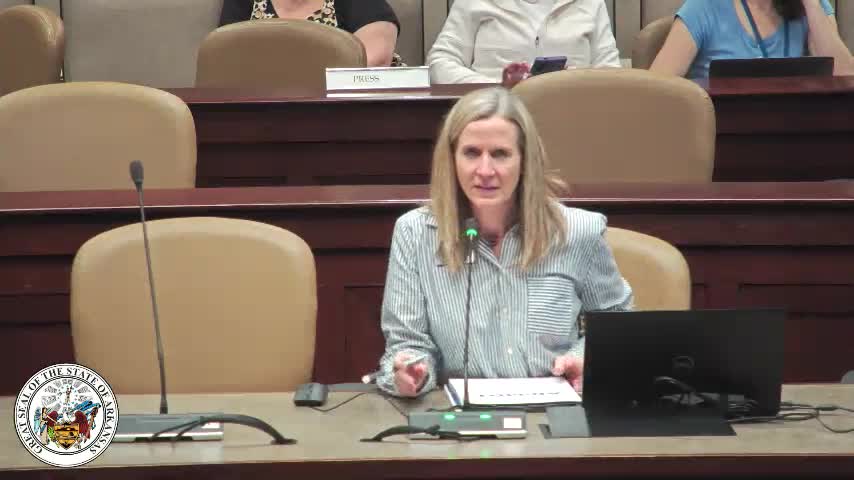
Elizabeth Pulley, executive director of the Children’s Advocacy Centers of Arkansas, reported to the joint Senate and House Aging, Children, Youth and Legislative Affairs Committee on the nonprofit’s annual activities and systemwide coordination with state partners.
Pulley said the network now supports 32 child advocacy centers and 64 multidisciplinary teams across Arkansas and that centers provided services to 10,707 children in the last year. She described core services—forensic interviews, advocacy, medical exams and mental‑health therapy—and said many centers also provide prevention work in schools and community education on mandated reporting.
Pulley listed accomplishments including onboarding five new CAC executive directors, delivering 221 trainings in 2024, launching a statewide “CAC best practices” effort, and supporting El Dorado CAC’s achievement of full national accreditation. She said Polk County opened a new CAC serving Polk and Scott counties.
Pulley and Tiffany Wright, director of the Division of Children and Family Services (DCFS), emphasized collaborative work: the agencies developed the state’s first 140‑page statewide MDT protocol with contributions from DCFS, Arkansas State Police (Crimes Against Children Division), prosecutors, medical and mental‑health professionals. Pulley said regional MDTs reviewed more than 10,000 child‑abuse cases statewide last year and that the protocol is a major step toward consistent, trauma‑informed responses across counties.
Wright described efforts to make sure children are brought to CACs for high‑quality forensic interviews and to coordinate wraparound prevention services for families even when investigations are unfounded. Committee members asked about tracking outcomes through the court process and about expanding regional services (for example, Hope Hub sites); Pulley said improved prosecutor data matching with CAC data is a future goal.
Why it matters: Pulley framed the statewide MDT protocol and standardized data and peer review as improvements to ensure uniform quality of care throughout Arkansas, particularly to give children in rural counties comparable services to those in Pulaski or other metropolitan counties.
The committee did not take a vote related to CAC operations at the meeting; members thanked Pulley and Wright for the report and pressed for follow‑up on data matching with prosecutors and access in rural counties.