
Supervisors identify affordability, location and NIMBY opposition as central housing problems
Get AI-powered insights, summaries, and transcripts
Subscribe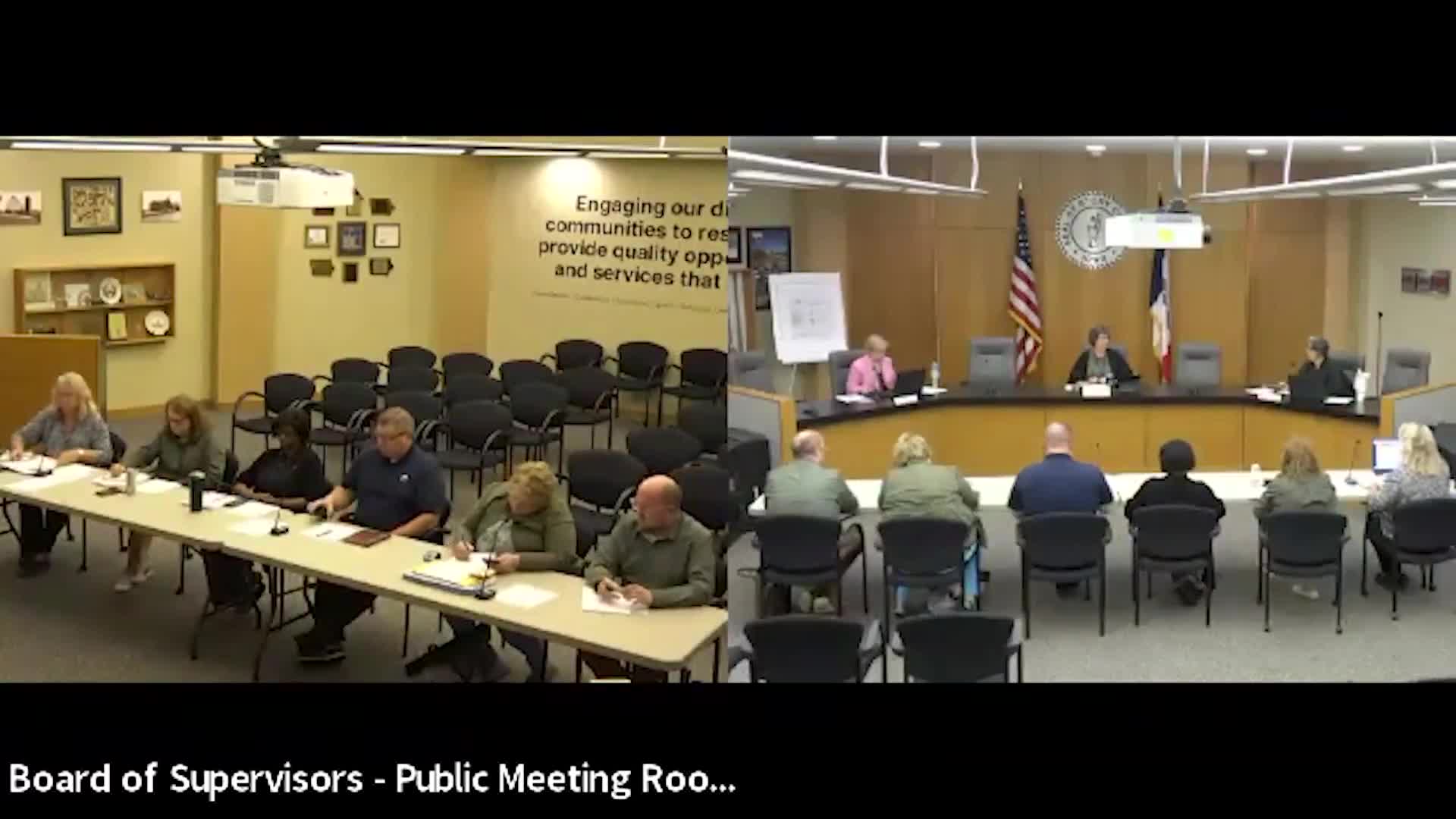
Summary
At a July 7 work session supervisors and staff cited affordability, limited housing stock, location and access to services, NIMBY resistance and land-use regulations in unincorporated areas as key barriers to building affordable housing in Story County.
Story County officials and regional partners used a July 7 housing work session to list the county’s core housing problems and barriers to development, from rising construction costs to local opposition and regulatory limits in unincorporated areas.
Supervisor remarks and staff discussion singled out affordability and low housing supply as primary problems. “I could throw a few out. Affordability and lack of like, lack of housing,” a supervisor said during the session. Staff noted building costs for a basic new home can be roughly $250,000 or more, a figure several participants referenced as out of reach for many households.
County staff and partners emphasized location and access to services as central concerns for household viability. Sandra King, Story County director of external operations and county services, said about 23.2% of the county population does not live near a supermarket or large grocery store, and she flagged limited access to health care and transportation as constraints for locating affordable housing in some communities.
Participants described regulatory and market barriers in unincorporated parts of the county. Leanne Harter said county land-use regulations prioritize preservation of prime agricultural land and favor development inside city limits; most county parcels have a 35-acre minimum, and septic capacity can limit smaller-lot development in villages. “If we’re looking at what we’ve always called affordable housing, you’re probably not gonna get that as much out in the unincorporated areas with new construction,” Harter said.
Several speakers noted social and political barriers. Sandra King said NIMBY attitudes “continues to be a concern of residents when you start talking about affordable housing.” Staff and partners recommended focusing resources where housing would connect to grocery, health care and transportation to limit added household burdens.
The work session also discussed housing types and demand: workforce housing, rental units for lower-income households and units to help people transition out of homelessness. Lucas Young of Mid Iowa Planning Alliance summarized the supply-side remedy: “More units will help the affordability side. And if you guys can support that side of things by adding more units, that is highly beneficial.”
Officials did not adopt a binding definition of “affordable” at the meeting and noted different programs target different income bands: workforce housing (often targeted near 80% area median income) versus low-income tax-credit projects that serve households with much lower incomes. Staff said they will return with more data from an updated housing needs assessment and with developer feedback on barriers and incentives.