Get Full Government Meeting Transcripts, Videos, & Alerts Forever!
Get email alerts on the Business Privilege Tax Bill 11 38 topic
No spam. Unsubscribe anytime.
Guam committee continues hearing on Bill 11‑38 to roll back business privilege tax to 4%
Summary
Senator Christopher M. Duenas, chairman of the Committee on Finance and Government Operations, continued a public hearing July 7 on Bill 11‑38, a measure introduced by Senator Sean Gomitata that would roll back the business privilege tax (BPT) from 5 percent to 4 percent.
Senator Christopher M. Duenas, chairman of the Committee on Finance and Government Operations, continued a public hearing July 7 on Bill 11‑38, a measure introduced by Senator Sean Gomitata that would roll back the business privilege tax (BPT) from 5 percent to 4 percent.
The proposal drew hours of testimony from small-business owners, trade groups and the Office of Finance and Budget (OFB). Supporters said the rollback would return money to businesses that could be used to raise wages, reinvest in stores and facilities, and make Guam more competitive with off‑island and online sellers. OFB warned that an immediate rollback during fiscal year 2025 would create a multi‑million dollar shortfall for the government and would reduce set‑aside funds tied to hospital appropriations and the statutory reserve.
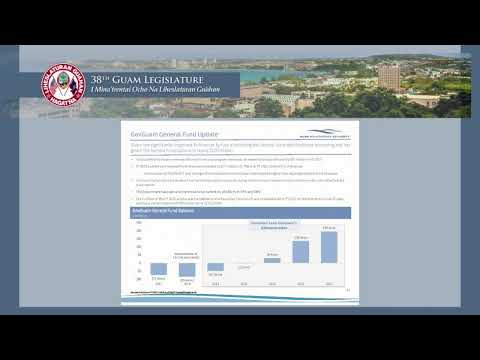
OFB presenter Steve Guerrero told the committee that OFB’s FY2025 numbers show a 1 percentage‑point reduction in the BPT would equal about $78,197,299 of BPT receipts and would lower the total general fund available for appropriation by about $71,889,748. Guerrero said the cut would reduce the statutory appropriation to Guam Memorial Hospital by roughly $4,800,000 and lower the required 2% general‑fund reserve (the “rainy day” fund) by about $1,500,000. He also cautioned that implementing the cut mid‑fiscal year would be particularly difficult because about three quarters of FY2025 appropriations had already been expended or obligated; phased implementation across multiple years would be more manageable.
Business owners, industry associations and tourism representatives urged the committee to approve the rollback. Christopher Felix, owner of Century 21 Realty Management, said his company has carried four years of losses and employs 26 people: "I didn't increase my fees when you went from 4 to 5%." He and others told senators they plan to use any tax relief to stabilize payroll and operations before lowering prices.
Monty McDowell, who identified himself as a long‑time local business owner, said many private employers have cut benefits and wages to survive. Kim Anderson, a small‑business owner of 25 years, said she would give 100% of any 1% BPT refund to employees as compensation increases; she said her staff numbers have fallen from 40 to fewer than 25.
Industry groups that testified in support included the Guam Association of Realtors (testimony submitted by Eloysa Kabuhat), the Guam Chamber of Commerce (represented by "Theo," chamber chairman in testimony), the Guam Travel & Tourism Association (William "Bill" Ngo), Guam Premier Outlets and the Guam Contractors Association (Matthew Hunter). Hunter presented the association’s history with the BPT change and said the 2018 increase was enacted as a temporary, sunset measure and later extended: "That bill was eventually signed into law ... which increased the gross receipts tax from 4% to 5%. The version that passed ... stipulated that this tax increase was temporary and had a sunset provision."
Several speakers urged the committee to consider targeted or phased approaches, or exemptions for certain classes of construction tied to off‑island contractors working on the military buildup, to avoid eroding the “fresh” federal‑construction revenue that flows into Guam’s tax base. John Martinez (private business owner) recommended structured rollbacks or targeted exemptions to protect taxes tied to non‑domiciled contractors.
Others described the local economic pain they say has resulted from a prolonged 5% rate: Jeff Bristol (Goody Sporting Goods) and Joel Shaban (DKSH retail) warned that continued pressure could force store closures and further job losses. Jonathan Savarez, who said he does not own a business, testified for residents who lose services when businesses fail: "When our businesses hurt, our community hurts."
Senators on both sides of the hearing asked for more analyses and for meetings with agencies. Senator Sean Gomitata, the bill’s author, said Bill 11‑38 would "restore the 4% BPT rate" and argued the rollback would return money to taxpayers and businesses rather than increasing government spending. Several senators emphasized they were listening and that the committee would weigh OFB’s numbers, federal funding risks and the testimony before markup.
The committee directed OFB to circulate the revenue materials to committee chairs and members; Guerrero confirmed OFB had already emailed the report. Chairman Duenas said the committee would keep the record open and accept written testimony for seven days and then proceed to markups and further hearings as needed. No committee vote was taken at the July 7 public hearing.