Get Full Government Meeting Transcripts, Videos, & Alerts Forever!
Get email alerts on the County Finance Budget topic
No spam. Unsubscribe anytime.
Appling County auditor reports $7 million net-position increase; county manager previews working 2025 budget with road investments
Summary
An auditor told the Appling County Board of Commissioners the government-wide net position rose about $7 million for fiscal 2024; county staff used that context in a working budget workshop that proposed staffing and equipment increases for the road department and other adjustments ahead of formal budget hearings.
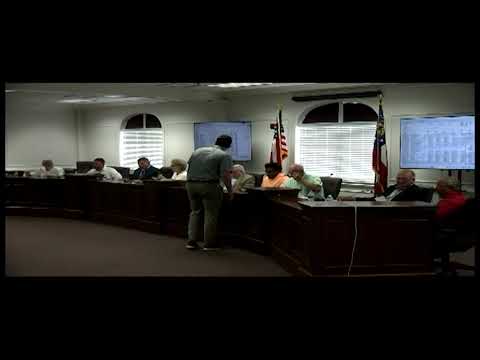
Appling County Commissioners heard the county’s independent auditor present the fiscal 2024 financial audit and then participated in a working budget workshop where the county manager outlined proposed changes ahead of the formal budget process.
“The total net position increased about $7,000,000,” the audit presenter said, explaining the rise largely reflected completed capital projects that are capitalized on government‑wide statements. The presenter said total governmental revenue rose from about $32,000,000 in 2023 to about $37,000,000 in 2024 and total county assets increased from about $74,000,000 to about $81,000,000.
The auditor described components of the increase, noting an actuarial change on pension liabilities that reduced the total liability and citing new major funds in 2024, including a fund for collections that began in 2024 and an LMIG (Local Maintenance and Improvement Grant) fund the county moved out of the general fund to show separately. The presenter also summarized special funds such as landfill, jail, hotel/motel, 911, and an opioid settlement fund whose revenues are restricted for law enforcement and drug‑prevention activities.
County Manager Reid (county manager) followed with a working budget presentation, telling commissioners he had trended current payroll and benefit costs to arrive at a snapshot “you’re already at $14,600,000” for salaries, retirement liability, health insurance and fuel. He said his draft reflects both department requests and realistic payroll figures and will be refined before the formal proposed budget and public hearings.
Reid highlighted several revenue and accounting points raised in the audit: that some state grants (LMIG and other local road assistance) had arrived in amounts and timing that inflate both revenues and expenditures for the affected year, and that ARPA funds must be fully expended by Dec. 31, 2026. Reid said the county will use amended budgets during the fiscal year to make appropriations reflect actual receipts and spending: “we will amend…to show what we actually spent and why.”
A major focus of the workshop discussion was roads. County staff proposed increasing road department payroll to add two or three employees and adding equipment (graders, ditcher, trailers and related items) to reduce the miles each grader must cover. Road Superintendent Carroll said a typical grader rotation across the county currently takes about 30 days and that the county has a large mileage of dirt roads; commissioners and other members emphasized proactive investment now to avoid repeatedly chasing storm damage. The manager and commissioners discussed using LMIG and other grants, FEMA reimbursements for storm costs, and SPLOST funds to support capital work.
Other items discussed in the financial review included: a decline in general fund cash tied to completed capital projects; changes in ARPA accounting presentation (unearned revenue versus fund balance); landfill transfers from general fund for the landfill’s operating gap; revolving loan fund activity; and jail and inmate medical cost variability. The auditor pointed commissioners to the budgetary comparison schedule in the report for a line‑by‑line reconciliation.
Reid recommended the board adopt a practice of preparing an amended budget in October to reflect year‑to‑date expenditures and collections as a management tool and form of oversight; the auditor and Reid said routine mid‑year amendments are common and can reduce the number of reported budget overruns at the line‑item level. The working budget presented by the manager projected total revenue more in the $25 million range when known LMIG and other state allocations are included; Reid said the August actuals already placed county receipts near $24 million and that the final amended numbers will be reflected later in the year.
The audit presenter closed by offering county staff contact information for follow‑up questions and noting the audit includes a management letter and a budgetary comparison schedule (pages 60–67 of the audit packet) that the board can use in budget drafting.