Get Full Government Meeting Transcripts, Videos, & Alerts Forever!
Get email alerts on the Housing Workforce topic
No spam. Unsubscribe anytime.
Realtors tell county committee low inventory, aging stock and policy proposals limit workforce housing
Summary
Representatives from the Greater Lehigh Valley Realtors updated the Northampton County Economic Development Committee on tight home inventory, municipal policy trends and state and federal proposals they say affect workforce housing and landlords.
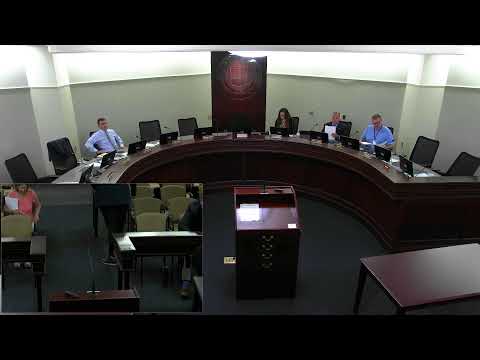
Representatives of the Greater Lehigh Valley Realtors told the Northampton County Economic Development Committee on July 3 that the local housing market faces a severe shortage of available homes, aging housing stock and a patchwork of municipal policies that complicate repairs and rentals.
The Realtors said the county currently has about 1.3 months of housing inventory — far below the six months considered a balanced market — and urged collaboration among municipalities, developers and county officials to increase workforce housing supply.
The Realtors’ president, Michael Bernadine, said the association’s footprint includes Lehigh and Northampton counties plus Monroe, Carbon, southern Schuylkill and northern Bucks counties and that local housing trends ripple outward. "One of the biggest things that I know we're focusing on, especially this year during my presidency, has been building the relationships with our municipalities," Bernadine said.
Asher, the association’s government affairs director, told the committee the group frames the problem as workforce housing rather than subsidized housing. "I want to make sure that my daughters ... at some point when they are living on their own, that they are able to afford housing," Asher said, adding the association is working on advocacy at municipal, state and federal levels.
The Realtors described several policy and market pressures discussed with legislators during recent Harrisburg visits: a proposed state infrastructure authorization to finance private water and sewer lateral repairs at scale rather than point of sale; a bill that would seal tenant eviction records after seven years or if a tenant prevailed; a proposal to shorten appraiser training from five to three years; and federal proposals to expand first-time homebuyer access to retirement funds and study inventory constraints. The group said these measures could affect supply, closing costs and transactions.
Speakers warned that some municipalities have adopted or considered point-of-sale requirements and shortened repair deadlines for sewer lateral issues that are inconsistent with state guidance. The Realtors said state guidance allows 12 months to make sewer lateral repairs after inspection, and they cautioned municipalities that requiring repairs or escrowed funds at closing on a shorter timetable could create legal exposure.
On local policy, Bernadine described the Allentown referendum on a transfer-tax increase as the association’s largest recent advocacy effort; he said the measure passed at the polls despite the association’s outreach and that some language will return to city council. The association said it opposes increases to transfer taxes that raise transaction costs for buyers and sellers.
Committee members asked about trends in tenant–landlord litigation and blighted properties. The Realtors said tenant awareness of rights has increased since the pandemic and that absentee, out-of-state landlords and deteriorating adjacent properties have led to disputes and, in some cases, homeowners or tenants pursuing legal remedies. Bernadine cited an example in Bethlehem in which water intrusion from a neighboring poorly maintained rental caused mold and insurer actions.
The Realtors said they track municipal ordinances — short-term-rental rules, certificate-of-occupancy requirements and landlord-training initiatives — and advocated voluntary landlord training with incentives rather than mandatory, municipality-specific mandates, which they said would create regulatory complexity for managers operating in multiple jurisdictions.
The Realtors offered the county access to association resources, municipal policy data and invitations to their government affairs meetings to continue collaboration.
Members of the committee thanked the presenters and indicated they will consider the information as the committee continues work on housing and blight identification in the county.