Get Full Government Meeting Transcripts, Videos, & Alerts Forever!
Get email alerts on the Infrastructure Pier topic
No spam. Unsubscribe anytime.
Okaloosa Island Pier: decades of storm damage, rebuilds and a push toward conservation
Summary
The Okaloosa Island Pier has been rebuilt multiple times since the 1930s after storm damage; county ownership, engineering changes and a conservation focus guide its current management, guests and longtime users said on a county podcast.
The Okaloosa Island Pier has been rebuilt and repaired repeatedly since the 1930s after recurring hurricane damage, and current managers emphasize conservation and storm-resistant engineering while anglers and longtime users describe declining fish catches and enduring community value.
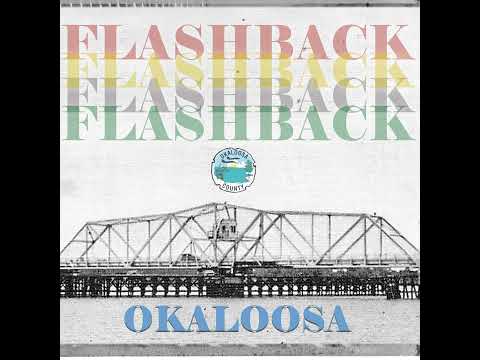
The pier — a focal point for Fort Walton Beach tourism and recreational fishing — was originally preceded by earlier wooden piers on Okaloosa Island and nearby Wayside Park. Guests on a Flashback podcast produced by the Okaloosa County Public Information Office traced the pier’s timeline from a 1932 wooden structure through the concrete pier opened in 1972, multiple storm repairs in the 1970s and 1980s, a 1999 rebuild and ongoing maintenance and management by the county and pier staff.
Podcast host Nick Tomachek framed the story as local memory and infrastructure. "We have the fortunate opportunity to experience the water in Okaloosa County in a variety of ways," he said, introducing accounts from residents and people involved in the pier’s construction and upkeep.
Dr. Gerald Hollingsworth, who served as chairman of the Okaloosa Island Authority when the concrete pier was planned, described the authority’s role and funding limits. He said the authority had the power to make improvements and enforce rules for the island but could not impose taxes; businesses were asked to contribute a percentage of gross receipts to support authority services. "We had the ability to see council would do for a city as far as making improvements and enforcing rules and regulations," Hollingsworth said of the authority’s powers, adding that the authority relied on voluntary contributions from local businesses.
Construction and early years: sources and dates Photos, local accounts and podcast guests place an early wooden pier at Tower Beach in 1932 and a Wayside Pier built in 1954 at about 650 feet. The county-funded concrete pier opened in 1972 at about 960 feet out into the Gulf. In 1975 an extension of 300 feet was added, bringing the pier to roughly 1,261 feet; a more recent measurement cited by the podcast puts the pier at about 1,270 feet from Angler’s Beachside Grill to the octagon fishing area.
Storm damage, repairs and costs Podcast guests recounted repeated storm impacts. Hurricane Eloise (1975) and Hurricane Frederick (1979) damaged extensions that were later repaired; podcast reporting cites repair costs of about $500,000 for repairs following storms in the 1970s and 1981. After Hurricane Opal (1995) substantially damaged the structure, local reporting quoted during the podcast said the pier was rebuilt and reopened in 1999 at a reported cost of $3,400,000 and a fishing fee of $6.50 at reopening.
Engineering responses The pier has been altered to reduce storm damage. Guests said designers added removable gratings on the extension to minimize wave stress; county workers later installed a steel bridge across a damaged gap after a storm. Pier manager Eric Brown described what he said are "blowout panels" on the current pier — panels that release under storm surge to reduce pressure on the concrete — and said stainless-steel hardware makes those panels expensive. "To my understanding, that's the science behind it," Brown said.
Management, fees and ownership The podcast traced ownership changes. The Okaloosa Island Authority initially oversaw construction and later dissolved; the Okaloosa County Board of County Commissioners assumed ownership of the pier, according to the podcast. The pier has carried a fishing fee at times; historical reporting cited in the episode noted the $6.50 fee after the 1999 rebuild and described the fee as a recurring point of local controversy.
Fishing, wildlife and conservation Longtime angler Jim Mills told the podcast he has fished the pier since it opened in 1972 and that catches have declined. "Back then, cobias were common," Mills said; "we expected to catch king mackerels every time we went out there, and that's no longer the case." Pier manager Eric Brown described seasonal runs and recent catches: he said the pier is "a mackerel pier in the spring and fall" and that in summer it sees tarpon runs; he also said nearly 80 cobia were caught off the pier in 2024. Brown described other wildlife sightings, including sea turtles and manatees, and noted that the Gulfarium responds to turtle entanglements and that hotline signs are posted for the public.
Conservation practices and public safety Brown said pier management has emphasized conservation and compliance with fishing regulations since he took over management in 2020. He described bans on cast nets at the pier to avoid entangling gear on pilings and noted biannual pier cleanup dives. "Every year that we do those dives twice a year, biannually, we've been less and less and less debris has been pulled off the pier," Brown said.
Local memory and community value Podcast guests and commenters recalled the pier as a center of local social life across decades. Tom Rice, owner of the Magnolia Grill, and other guests shared memories of music recordings, AM radio signoffs recorded at the old Wayside Pier and family summers on the beach. Bernie Floyd, who worked on electrical and mechanical aspects for the pier, recalled inspections and the early abundance of fish.
What remains uncertain Guests did not identify pending formal county decisions about the pier’s future lifespan or a timetable for major upgrades; the podcast notes only the pier’s past repairs and current management practices. Participants expressed affection and uncertainty about the long-term future: "We don't know the future and if she can live another 26 years without serious injury," the host said, "but we do know we will always love our pier and cherish the memories made."