
Local advocates press Watertown council to back warming shelter before winter
Get AI-powered insights, summaries, and transcripts
Subscribe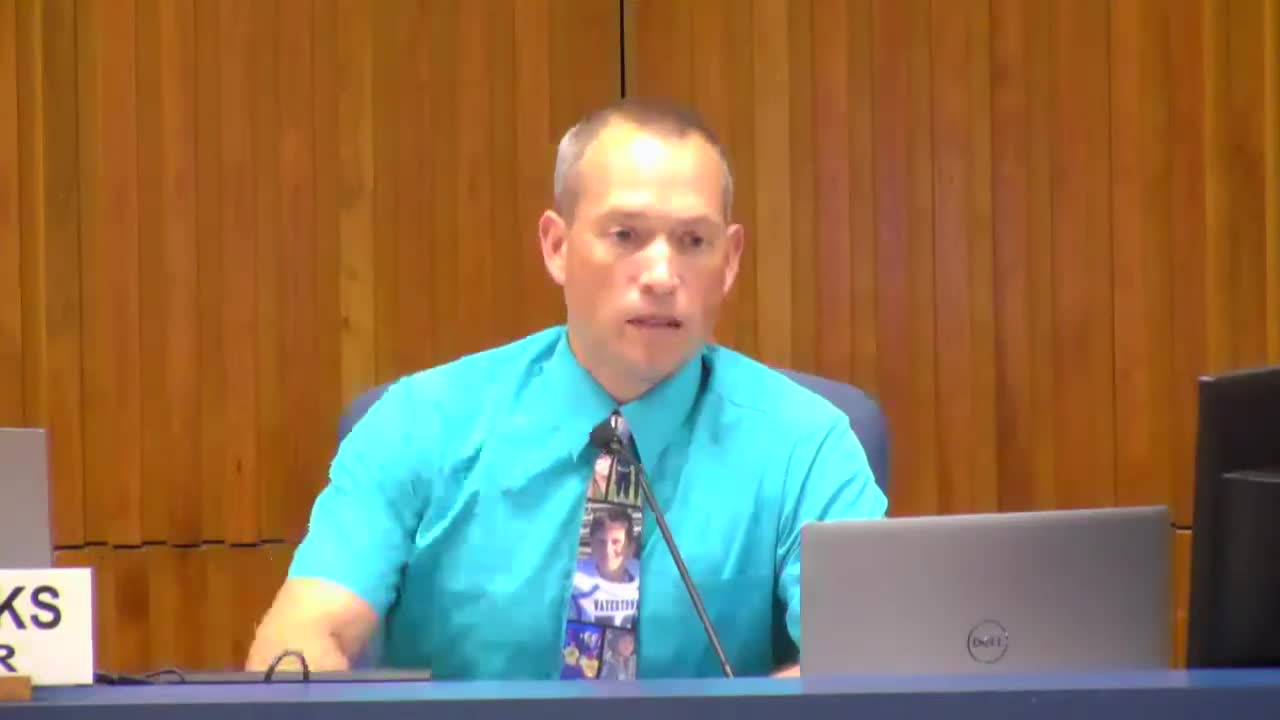
Summary
Members of Building a Welcoming Watertown urged the Common Council to expedite a public–private warming shelter proposal after several speakers described homelessness, food insecurity and recent deaths in the region.
Several members of the volunteer group Building a Welcoming Watertown urged the Watertown Common Council on July 1 to accelerate work on a proposed public–private warming shelter to prevent further cold-weather deaths among people without stable housing.
Jennifer Hedrick, a member of the group who lives on Garfield Street, told the council she had worked as an occupational therapist across the state and observed students who “were living in some degree of homelessness” and food insecurity. “This is not the city I grew up in,” she said, asking the council to “support funding a warming shelter as we have proposed.”
The appeal continued through multiple speakers. Elizabeth Fritz, president of Building a Welcoming Watertown, described a proposal that she said includes staffing, safety measures and a “sustainable operating model that makes use of existing city space and leverages community volunteers.” She told the council the proposal is “working its way through city committees” and asked the council to collaborate so the shelter could be in place before next winter.
Other speakers described local need and national examples of deaths in public places. William Reichert recalled the city’s tradition of mutual aid and said addressing homelessness “is our conscience being pricked.” Jeremy Schmidt, who identified himself as pro tem treasurer of Building a Welcoming Watertown, read a list of regional cases where advocates and coroners listed exposure or homelessness as factors in deaths.
Mayor Stocks and council members did not take immediate formal action on the public comments. Fritz said the group is prepared to do the operational work but needs city collaboration; funding sources and a timetable beyond “working through city committees” were not specified during public comment.
Why it matters: speakers warned that without a dedicated, coordinated shelter the city risks further preventable deaths and that the city’s existing emergency responses (for example, opening the senior center during a heat wave) show the municipality can play a role in temporary relief. The proposal’s next steps are committee review and a future council decision on funding or formal partnership.
The council did not vote or direct staff to a specific funding plan during the meeting. Building a Welcoming Watertown members said they will continue to press the issue with the city’s committees and provide details to councilors as the draft plan advances.