Get Full Government Meeting Transcripts, Videos, & Alerts Forever!
Get email alerts on the Siding Replacement Coa topic
No spam. Unsubscribe anytime.
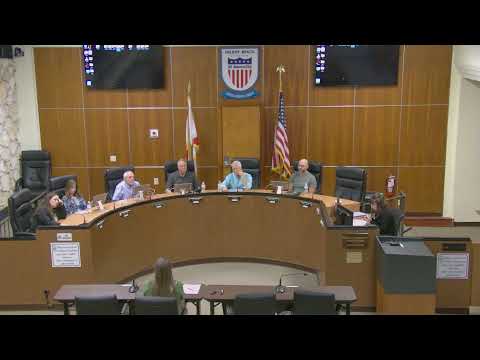
Board approves COA for 49 Palm Square after debate over synthetic siding; front facade must be natural wood
Summary
After lengthy debate over substitute siding, the Historic Preservation Board approved a certificate of appropriateness for 49 Palm Square conditioned on replacing the primary front building plane’s Azek siding with natural wood and staff consultation on finish.
The Delray Beach Historic Preservation Board voted to approve a certificate of appropriateness for 49 Palm Square, but attached conditions requiring the western-most front building plane — the elevation visible from Palm Square — be replaced with natural wood siding from the scalloped gable down to ground level, excluding the enclosed front porch. The board also instructed staff and the applicant to consult on finish details.
The action followed a contested review of work performed without a permit that replaced the structure’s exterior siding city staff described as a full re‑siding with a composite material (Azek). Michelle Boylan, principal planner with Development Services, told the board the building’s siding had been completely replaced and that the building department requires either a Notice of Acceptance (NOA) or a licensed professional’s letter confirming the installed material meets the Florida Building Code.
Why it matters: The decision balances two priorities for local preservation authorities — maintaining historic material authenticity on visible primary facades while allowing durable materials in locations with lesser visibility or environmental exposure. Planning staff warned against setting a broad precedent of replacing entire primary elevations on contributing structures with composite materials without compelling evidence of deterioration.
Applicant Roger Cope said much of the porch, brackets, shutters and trim are original wood; the siding question remains. He told the board the contractor and owner were prepared to replace the primary front façade with natural wood if that is the board’s condition. Cope also said he expects an NOA to be available to the applicant by the time permits are filed.
Staff referenced the Secretary of the Interior’s Standards and Preservation Brief 16, noting guidance that “replacing siding on a primary or other highly visible elevation with a composite substitute material is not recommended.” Board members split on broader policy concerns: several expressed concern about precedent and the availability of long‑lasting wood alternatives in a waterfront community, while others said the workmanship and visual compatibility were acceptable. A compromise amendment — replacing only the front plane with natural wood and excluding the enclosed porch — won support.
The motion approved the COA 2025‑176 with the conditions described. Roll call was unanimous among attending members: John Miller, Carol Perez, Vlad Domitreski, Chris Cabasas and Jim Chard voted yes; Peter Dwyer was absent.
Next steps: The applicant must submit the specified exterior wood replacement on the front building plane and consult with staff on finish details; the building department still requires either an NOA or a licensed-professional letter for the installed siding to meet Florida Building Code wind-load attachment requirements. Code-enforcement fines connected to the unpermitted re‑siding remain a separate administrative matter.