Get Full Government Meeting Transcripts, Videos, & Alerts Forever!
Get email alerts on the Homelessness Housing topic
No spam. Unsubscribe anytime.
Home Allies reports early housing pilot successes, warns of subsidy and coordination risks
Summary
Home Allies Inc. told the Story County Board of Supervisors it served 10 households in its first year of a rental housing and tenant-education pilot funded by ARPA and private donations, but cautioned that paused voucher issuance and shrinking rapid-rehousing options threaten next steps.
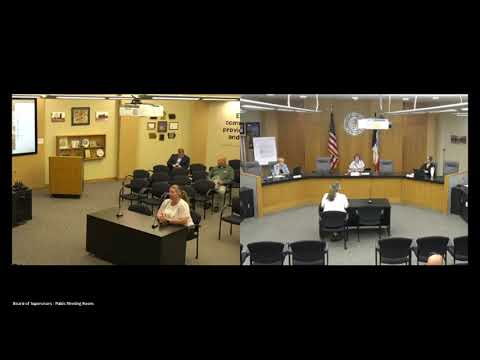
Loris Olsen, president and chief operating officer of Home Allies Inc., told the Story County Board of Supervisors on July 1 that the organization's ARPA-funded rental housing and tenant-education pilot served 10 households in its first 12 months, exceeding the original plan to serve up to six.
Olsen said the program provided transitional rental assistance and tenant education, with an average household stay of about eight months. She said operating funds this year totaled about $49,000, which included Story County ARPA rent assistance of about $14,400 and a one-year $16,000 grant from the Story County Housing Trust; the remainder came from private donations. Olsen said the program expects a $45,000 operating budget for the next calendar year after start-up expenses adjust.
Olsen described participant demographics and needs: three households included people with felony convictions, roughly half were domestic violence survivors, and seven households included people reporting mental-health or intellectual-disability needs. She said the program deliberately avoids collecting medical records and focuses on landlord-tenant supports and tenant education.
Despite the early successes — Olsen described several tenants moving into market-rate housing, public housing transfers and employment gains — she warned of immediate systemic risks. Olsen said the regional agency that distributes new Section 8 vouchers "quit giving out new vouchers" in March, creating uncertainty for several tenants who will need continued subsidy. She also said rapid-rehousing capacity at a local partner (the Bridge Home) has been reduced and that transportation barriers remain a core challenge for tenants seeking work and services.
Olsen said Home Allies used donor flexibility to cover temporary rent needs so no tenant would lose housing, and she asked county leaders to consider coordination as specialized program and subsidy pathways change.
Why this matters: the pilot shows promising exits from homelessness but faces dependence on subsidized housing supply and regional program capacity; local coordination and funding decisions will affect whether the pilot can accept new tenants and sustain current participants.
Board members thanked Olsen and raised privacy concerns about giving identifiable success details; Olsen agreed to keep future public remarks at a higher level of detail about individuals.