Get Full Government Meeting Transcripts, Videos, & Alerts Forever!
Get email alerts on the Capital Projects topic
No spam. Unsubscribe anytime.
County awards jail annex roof replacement to Low Roofing, authorizes contingency up to $600,000
Summary
Pennington County accepted a recommendation for a fully-adhered EPDM roof system at the jail annex, awarding Low Roofing a $548,730 contract and authorizing spending up to $600,000 to cover potential insulation or backing replacement discovered during construction.
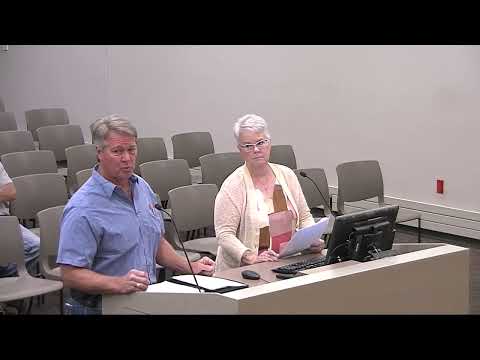
Pennington County commissioners on July 1 approved a bid award for the jail annex roof replacement to Low Roofing for a fully-adhered EPDM roof system and authorized contingency spending up to $600,000 to address potential insulation or roof backing replacement identified during construction.
Why it matters: The county projected a roughly $600,000 budget for the repair. Facilities staff recommended an EPDM (rubber) membrane over a PVC alternative after reviewing long-term durability and installation risks.
Details: Buildings and Grounds Director Davis Purcell told the board the low PVC bid carried risk because it used subcontracted labor; he recommended the EPDM alternate for greater durability (90-mil EPDM was described as a "really good" thickness with long hail resistance). Purcell reported the county's downtown campus already uses EPDM membranes with minimal issues.
Action taken: Commissioner Dirr moved to award the jail annex roof replacement project to Low Roofing in the amount of $548,730, including base bid and alternatives 1 and 2 for a fully-adhered EPDM roof system, and to authorize funding from the accumulated building fund and increased spending authority up to $600,000 for potential unit price adjustments related to insulation and roof backing replacement. The motion was seconded and passed unanimously.
Follow-up: Facilities staff will monitor insulation and backing conditions during construction; the board authorized contingency spending to cover identified replacements without requiring a separate vote, up to the $600,000 authorized limit.