Get Full Government Meeting Transcripts, Videos, & Alerts Forever!
Get email alerts on the Public Transit topic
No spam. Unsubscribe anytime.
Regional transit provider raises fares, outlines maintenance and staffing challenges
Summary
A regional transit representative told the Story County Board of Supervisors on July 1 that fares increased as operating costs outpaced revenues, and the agency is pursuing a federally funded maintenance facility while facing vehicle lead-time and staffing pressures.
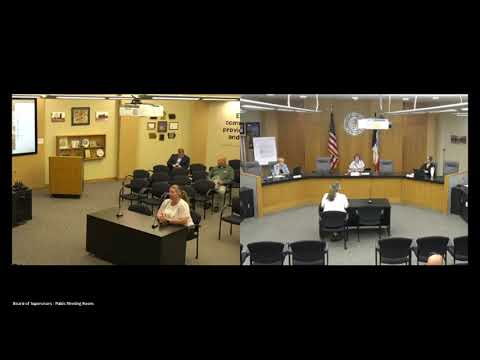
Brooke Ramsey, a presenter for the regional public transit provider, told the Story County Board of Supervisors on July 1 that the system raised fares and is pursuing a maintenance facility after a difficult budget year. Ramsey said the provider moved town fares from $2.50 to $3 and in-county trips from $5 to $6, effective the day of the meeting.
Ramsey said the system provided more than 30,000 trips last year in Story County and served 973 unique riders. She noted on-time performance of about 95 percent and high customer ratings from trip surveys, while warning that rising parts, fuel and insurance costs have outpaced revenue. "We did have to do the fare increase," Ramsey said, noting the last increase was in September 2019.
The presentation explained why capital costs have increased: Ramsey said vehicle prices and lead times rose sharply after the pandemic, with some vehicles now costing more than $200,000 and production lead times stretching toward a year or more. The agency is pursuing an Iowa DOT/FTA grant to build an on-site maintenance facility — Ramsey said it is the only transit system in the state without such a facility — and that the agency's board is considering land acquisition.
Ramsey described service types and eligibility, saying the demand-response service can take riders "anywhere you can go in your own vehicle" and emphasizing that "you don't have to have a disability to qualify." She also described other programs the system runs or partners on, such as a vanpool program and a volunteer driver program (the latter not operated in Story County because the county already has an RSVP volunteer program).
Supervisors asked about vanpool participation and recruiting drivers. Ramsey said vanpool contracts are available through an outside contractor (she named Enterprise as the vanpool partner) and that employer outreach has had mixed results. On staffing, Ramsey said low local unemployment has made recruiting and retention harder; the agency now employs more full-time workers than in the past, which brings higher personnel costs but helps longevity.
Ramsey described funding as a complex mix of federal and state grants, local contributions from counties and some cities, contracts (for example Medicaid trips) and occasional donations. She said capital grants require local matching funds and that the provider has used local purchases and contracts to keep dollars in the local economy.
Why this matters: the fare increases and the capital needs affect riders who use transit for work, school and medical trips; the provider's plan for a maintenance facility and a right-sized, more fuel-efficient fleet are intended to lower future repair costs but require up-front investment and local match funding.
The presentation closed with Ramsey saying the board will soon discuss land acquisition for the maintenance facility and with a request for continued coordination with county officials.