Citizen Portal
Sign In

Tarrant County approves $250,000 legal contract with Public Interest Legal Foundation amid sharp objections

5119557 ยท July 2, 2025

Loading...

AI-Generated Content: All content on this page was generated by AI to highlight key points from the meeting. For complete details and context, we recommend watching the full video. so we can fix them.

Summary

The commissioners approved a contract with the Public Interest Legal Foundation to defend the court's June redistricting map despite sustained objections from two commissioners and public commenters who warned of conflicts and ethical concerns. The contract passed 3'to'2.

Tarrant County commissioners on Tuesday approved a contract for legal services with the Public Interest Legal Foundation Inc. (PILF) to defend the court against litigation tied to the June redistricting maps, voting 3 to 2.

The contract authorizes PILF to represent the county in the lawsuit that challenges the newly adopted precinct boundaries. Commissioner Alisa Simmons (Precinct 2) and Commissioner Roderick Miles Jr. (Precinct 1) voted against the contract, repeatedly raising concerns about PILF's role in drawing maps and whether lawyers associated with the firm could be treated as witnesses in any ensuing litigation.

Why it matters: The county faces a pending lawsuit over the June maps. Approving PILF's contract shifts up to $250,000 in potential legal spending onto county coffers while opponents warned the firm helped produce the contested maps and may therefore be conflicted, a claim central to how the case could unfold.

What commissioners said Commissioner Alisa Simmons said the contract was troubling because PILF was involved in creating the maps and had not been sufficiently transparent to the public. "Therefore, I cannot support this action," Simmons told the court during debate, arguing the arrangement raised ethical questions about an attorney serving both as advocate and potential witness.

Judge Tim O'Hare and other supporters said the county sought counsel familiar with the redistricting work and with experience on comparable litigation. Judge O'Hare and backers argued that hiring counsel with prior exposure to the process could reduce onboarding time and costs.

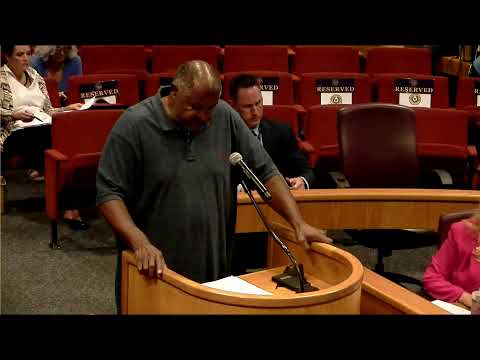
Public comment and concerns Multiple citizens and community groups urged the court to deny the contract. Speakers cited past reporting and litigation histories tied to PILF and warned the county might be paying political allies to defend a map that many members of the public called a partisan or racial gerrymander. Commenters urged the court to hire local firms or rely on the district attorney's office to defend the county.

Decision and next steps The court approved the contract after discussion and public comment; the tally was 3 to 2 in favor. County officials said the DA's office and court counsel had reviewed the placement of the item on the agenda and that any ethical or evidentiary conflicts that might be raised in the litigation would be addressed through the courts and applicable professional rules. The DA's office advised the court the placement of the item on the agenda did not affect its substance.

Discussion vs. action Discussion: Commissioners debated the firm's prior role in drafting maps, billing transparency, and whether local law firms should be prioritized. Direction/assignment: Staff were asked to continue coordinating with counsel and the DA's office to ensure the county's interests are represented. Decision: The court formally approved the PILF contract, outcome approved 3'to'2.

Ending The approval begins a litigation phase in which both the substance of the maps and questions about counsel selection are likely to be litigated and may shape both the redistricting dispute and the county's legal expenditures going forward.