Get Full Government Meeting Transcripts, Videos, & Alerts Forever!
Get email alerts on the Senior Services topic
No spam. Unsubscribe anytime.
New Iberia Council on Aging says state boost will ease but not solve meal, home-care gaps
Summary
The New Iberia Council on Aging told the City Council it is operating large meal and care programs on tight budgets, welcomed a recent state funding increase but said demand and operating costs still outstrip resources.
The New Iberia Council on Aging told the City Council on a weekday evening that a recent state funding increase will help, but services remain constrained by rising costs and unmet demand.
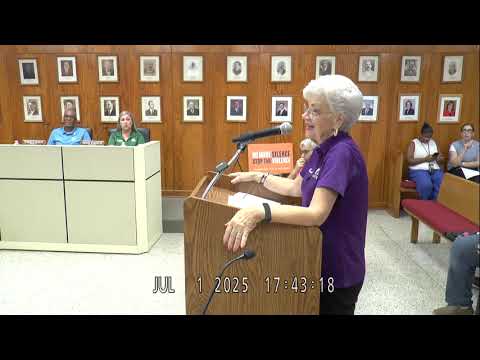
Director Carol Smith, who presented the update, said the nonprofit — chartered July 18, 1977 — serves people age 60 and older across the parish with congregate meals, home-delivered meals (Meals on Wheels), homemaker services and caregiver respite. She said the organization receives state and federal funding but relies heavily on local fundraising and volunteers.
Smith said House Bill 126, recently passed in the state legislature, will increase annual state support for smaller parish councils on aging by about $50,000 each, paid quarterly as roughly $12,500 increments from the Governor’s Office of Elderly Affairs. She described that as “good news,” but added the agency’s federal Title III contract still funds the largest share of certain programs.
“Our Meals on Wheels program costs about $157,000 a year to run,” Smith said. “We were contracted for 160 meals a day; that rose to 191 meals a day and we now have about 302 seniors on the waiting list for home-delivered meals.” She said the program expects to deliver roughly 47,500 meals this year and that drivers will log about 43,000 miles annually. Smith added that the council asks recipients for a suggested contribution of $2 per meal but does not refuse service to those who cannot pay.
Smith outlined program staffing and volunteer capacity: seven drivers, a nutrition coordinator and four full-time office staff, and noted some long-tenured employees — including one driver with about 45 years on the job — and a number of elderly volunteers who staff meal sites.
She gave the council figures she said reflect current funding: about $274,662.50 in state funding (as administered by the Governor’s Office of Elderly Affairs) and $175,320 in federal Title III funds to support programs such as home-delivered and congregate meals and homemaker services. Smith said program costs — especially mileage, vehicle maintenance and rising meal-service expenses — still create shortfalls.
Council members thanked Smith and several said they rely on the Council on Aging to fill gaps in family support and to keep seniors safe and fed. Smith also described local site arrangements, saying the group typically pays modest or no rent for meeting and meal sites (for example, $12 a year at certain facilities) and that the parish’s transportation van was donated by the Department of Public Safety and is due for repairs.
Smith invited residents and organizations to help identify seniors who qualify for assistance and to support fundraising and volunteer efforts. She said the council will publicize services, contact information and an upcoming Sugar Cane Festival event on social media and at the mayor’s office.
The presentation was delivered in the council’s public comment/presentation portion of the meeting; council members asked questions but did not take any formal action on the report.