
AEOA outlines social services, transit and pilot tax‑forfeited home rehab program
Get AI-powered insights, summaries, and transcripts
Subscribe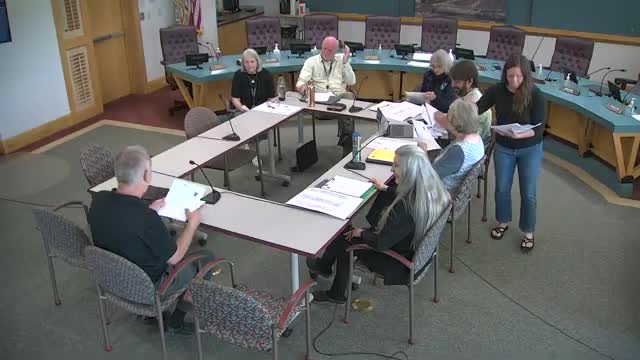
Summary
Arrowhead Economic Opportunity Agency described its Cook County services — transit, energy assistance, senior nutrition, housing support — and a pilot to rehab tax‑forfeited homes into workforce housing using Greater Minnesota Housing Fund and IRRRB funding.
The Arrowhead Economic Opportunity Agency (AEOA) briefed the Cook County Committee of the Whole on June 17 about the agency’s programs serving low‑ and moderate‑income residents across northeastern Minnesota and a pilot project to renovate tax‑forfeited homes into affordable ownership opportunities.
Scott, representing AEOA, said AEOA is a legislated community action agency serving St. Louis, Lake and Cook counties and operates more than 100 programs statewide, including Arrowhead Transit, Head Start, housing (weatherization/rehab and homeless services), senior nutrition and employment and training programs. He said the agency runs Arrowhead Transit vehicles that provide about 13,000 rides and 70,000 miles in the region and that AEOA serves multiple counties because some services are not available at scale in smaller communities.
Why it matters: County commissioners said they want clear, Cook County‑specific metrics to justify investments of county funds and requested dollarized outcomes they can present to taxpayers. Commissioner Gamble recommended translating volunteer hours and program outputs into estimated dollar value to show return on investment.
Housing pilot: Scott described a pilot in which AEOA will acquire tax‑forfeited homes, perform a full gut rehab (estimated development cost cited in conversation) and sell the renovated houses as workforce housing with assistance from the Greater Minnesota Housing Fund and the Iron Range Resources and Rehabilitation Board (IRRRB). He described a model where a portion of the investment (the “value gap”) would remain in the property to lower sales price; AEOA expects project subsidy to be recycled into a revolving pool for future rehabs. He gave an example that a $60,000 project could be covered with up to $20,000 IRRRB support and described a four‑house pilot in St. Louis County communities; AEOA plans to scale similar work in other areas.
Funding and operations: Scott said AEOA’s fiscal year runs July 1–June 30 and provided 2023 program figures in handouts. He explained major program amounts for fuel assistance, energy‑related repair (noting sample annual grant averages) and business energy retrofit grants (IRRRB) that have covered up to $20,000 for qualifying local businesses. On administrative costs, Scott said AEOA has a small local footprint in Cook County (four employees) but draws on regional crews and employees to deliver weatherization and other services.
Commissioners’ requests and next steps: Commissioners asked AEOA to provide Cook County‑specific dollarized outcomes and to show how county contributions leverage other funding. AEOA said it will share handouts with contact information and follow up with county staff to provide more detailed numbers. Scott said AEOA is exploring facility consolidation options to reduce rental and utility costs (citing a potential building purchase/rehab to centralize housing and senior meal production facilities in Hibbing) and noted a legislative request for $2 million in state support this year, of which $500,000 was awarded.
Ending: Commissioners thanked AEOA for a detailed overview and asked for follow‑up materials that make county‑level impacts and funding needs explicit for budget deliberations.