Get Full Government Meeting Transcripts, Videos, & Alerts Forever!
Get email alerts on the Municipal Budget topic
No spam. Unsubscribe anytime.
Martinsville City officials present balanced 2026 budget; $1 hourly raise proposed, court moved back to tax roll
Summary
At a Saturday budget workshop, Martinsville City officials said the proposed 2026 budget is balanced, outlined a $1-per-hour raise for employees, noted increases in fire and police pension costs and utility lines, and scheduled public hearings for September and October.
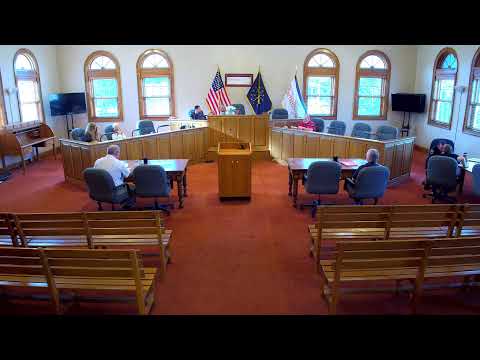
Martinsville City held a budget workshop on a Saturday where a city official presenting the plan said the proposed 2026 budget is balanced and detailed department-by-department changes ahead of public hearings and adoption.
The presenter said the budget team asked departments to hold spending to 2025 levels because “we're not gonna be getting funds like we have in the past,” and noted state action under “Senate Bill 1” had affected revenue assumptions. The presenter said most departments’ budgets stayed the same or decreased, but fire and police shares rose primarily because “what has been mandated by the state to increase the pension.”
Why it matters: The workshop set public review and adoption dates and described specific line-item changes that will affect city services and partners. The city plans a first public meeting and first reading on Sept. 22 and an anticipated adoption meeting on Oct. 14; the presenter said, if the council approves on Oct. 14, the budget will be uploaded to Gateway on Oct. 15 or 16 and that staff will meet with the Department of Local Government Finance representative in July to review the package.
Key details from the workshop:
- Employee pay: The city proposed a $1-per-hour raise for employees across most departments. The presenter described the $1-per-hour approach as a flat increase to make raises more even than a percentage-based raise. The presenter said elected officials and senior staff (described as counsel, Mr. Meredith, Mr. Porter, Mr. Dunn and Mr. Oakes) would receive no pay increases.
- Court budget: City court is budgeted at $195,000 for 2026 after a decision to return the court to the tax roll. The presenter said the court had been an enterprise in 2025 while Judge Terrell (referenced in the discussion) stood the court “on its own,” and that after judicial turnover the new judge and Councilman Decker decided to place the court back on the tax roll, producing the large change in that line.
- Utilities and debt: A city official said the “all city” utilities category rose because of an anticipated increase from Duke Energy. The presenter also reported the city’s debt payments are projected to fall by about 41% year over year, and the overall difference between the current year and next year’s budget is roughly $76,000 — a “very flat budget,” in the presenter’s words.
- Parks and pool: The park bond payment is shown rising about 1.77% on the payment schedule; the presenter said the city sometimes increases the payment so it can pay bonds off early and avoid rolling the payment into the following year. Repairs for parks are budgeted to rise from $6,000 to $20,000 because of aging equipment and facilities, with specific items cited such as shelter houses, pumps and plumbing. The presenter and other speakers noted the municipal pool is 29 years old and will close for the season on Aug. 3; the splash pad is expected to remain open through Labor Day.
- Street and sanitation staffing: The street department projection shows a roughly 49% decrease in its budgeted amount tied to staffing changes. The presenter said one employee retired from the water department and two street staff were given opportunities to seek employment elsewhere and were not replaced; the presenter reported 13 staff in the street department and five in sanitation.
- Training and short-term lease costs: Court staff now must complete 15 credit hours of required education per year; some training is virtual and some is not. Building utilities rose from $20,000 to about $62,500 to cover a short-term lease and associated expenses for a city-occupied building.
- Economic development contract and nonprofit grants: A resident asked about payment to Morgan Economic Development; the presenter said the city pays $60,000 per year to the organization (mentioned in the meeting as managed by Mike Dillinger). Several council members and residents questioned whether the city is getting full value from that contract and discussed possibly redirecting some funds. One council member proposed reducing the council grants line from $30,000 to $12,000 and creating a separate, recurring $18,000 line item for the senior center; the presenter said that would leave the city’s overall allocation unchanged but would likely require a memorandum of understanding and confirmation with DLGF rules.
Process and next steps: The presenter said staff will make adjustments based on comments from the workshop, and reiterated the schedule: public hearing/first reading Sept. 22, adoption Oct. 14, and Gateway submission Oct. 15 or 16. The presenter said staff had already completed a pre-meeting with the Department of Local Government Finance representative, who “was fine with everything that we have on here.”
Throughout the workshop, residents and council members asked clarifying questions about specific line items, including the park bond schedule, pool operations and staffing levels; the presenter answered those questions and agreed to follow up on procedural items such as any required agreements for a dedicated senior-center line item.
The city did not record any formal vote at the workshop; the dates for public hearings and adoption were announced and presented as the schedule for the formal budget process.