Get Full Government Meeting Transcripts, Videos, & Alerts Forever!
Get email alerts on the School Budget 2526 topic
No spam. Unsubscribe anytime.
Northville Public Schools projects $3.7 million shortfall in 2025-26 initial budget
Summary
District finance staff presented an initial 2025-26 budget showing a projected $3.7 million deficit, a fall in fund balance and revenue losses tied to expiring one-time state and federal funds; board members asked questions but did not vote on the budget.
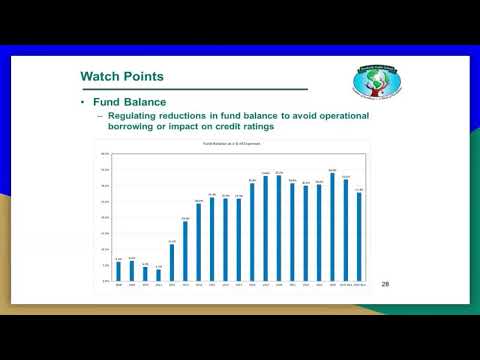
Northville Public Schools business officials presented the district's initial 2025-26 budget projection Wednesday, saying the draft shows about $99.1 million in revenue, $102.8 million in expenditures and an estimated $3.7 million deficit that would reduce the district's fund balance to the high-20s percentage range.
The presentation, led by Devin, a district finance staff member, walked the board through millage, state aid assumptions, federal grant expirations and expense changes. "So tonight, we're going to go over the 25%, 26% initial budget," Devin said at the start of the presentation.
The district's finance staff described several drivers of the projected gap: the loss of one-time state funding that supported recent budgets, an expected decline in federal ESSER pandemic funds, and reductions tied to Michigan's Headlee rollback mechanism. Staff told trustees the budget uses the governor's proposed per-pupil increase of $392 as a planning assumption but cautioned the state budget had not been finalized.
Why it matters: the board must adopt an initial budget before July 1 but will have two later opportunities (first amendment and final amendment) to adjust figures once state revenue and contract outcomes are known. The finance presentation emphasized that the initial budget is a planning document and that the district will revisit assumptions as the state budget and other factors crystallize.
Most important figures and assumptions presented
- Projected revenue: about $99.1 million for 2025-26. - Projected expenditures: about $102.8 million. - Projected deficit: approximately $3.7 million; the prior-year final budget showed a roughly $700,000 deficit, so this initial budget increases the projected shortfall. - Starting fund balance: $32.0 million; projected ending fund balance: $28.6 million (presenter said this equates to roughly the high-20s percent of expenditures; audited 2023-24 fund balance was shown at about 34 percent, expected 2024-25 about 32 percent, and projected 2025-26 about 27 percent). - Local property tax drivers: the district's operational millage dropped from 18.9961 to 18.4699 because of a Headlee rollback; the 18 mills (non-primary-residence/non-homestead) generates about $11 million annually for the district. - Sinking fund and debt: the district's sinking fund levy is 0.924 mills (scheduled for renewal this August), and the debt levy is 3.4 mills. The presentation described past debt series including a roughly $11.9 million bridge series and a larger 2019 series of nearly $60 million that extends into 2042. - Federal and one-time funds: staff said approximately $900,000 of ESSER (COVID-related) funds are no longer available in 2025-26; loss of one-time state aid from the previous year also reduced revenue by a larger amount emphasized throughout the briefing.
Discussion highlights and board questions
Trustees asked staff to explain technical items such as the Headlee rollback, the stabilization UAL (unfunded accrued liability) payments that flow through state aid, and how investment income assumptions were set. Devin said investment income was reduced in planning because potential Federal Reserve rate cuts could sharply reduce that revenue source. Trustees also asked about enrollment projections; the district's third-party enrollment consultant, Sam Fred, projects a slight enrollment increase for 2025-26 tied in part to the tail end of a YoungViz program, but birth-rate trends could lead to declines in later years.
Superintendent RJ Weber interjected policy context, cautioning trustees about proposals in Lansing that could reallocate retiree pension funds and expressing concern about potential wider state budgeting choices; he described that comment as his personal view.
No action on budget at this meeting
The board did not vote to adopt the initial budget at this session. Presentation materials were described as the board's first 'crack' at the 2025-26 numbers, and staff said the board will have opportunities to amend the budget once state aid and negotiated contract results are known. The only formal motion recorded in the transcript was an earlier, procedural motion to adopt the meeting agenda (motion 121), moved by Secretary Meyer and seconded by Trustee Ron Frazier, which passed.
What comes next
Staff urged trustees that the district will need to monitor state budget action, pension UAL policy changes, federal program continuity (including nutrition program rules) and contract negotiation outcomes. The board was told to expect amendments after the state settles its budget and following local contract negotiations. Devin and audit and finance staff will provide updates; auditors were on site for the district's annual audit during the same week, staff said.
Ending
Trustees closed the meeting after a brief public-comment period with no speakers signed up. The presentation framed the initial budget as a planning document that will be updated during the summer and into the fall as the district receives finalized state aid figures and completes local contract negotiations.