Lifetime Citizen Portal Access — AI Briefings, Alerts & Unlimited Follows
Witness urges U.S. to broker Armenia-Azerbaijan peace, press Turkey to open border
Loading...
Summary
At a hearing of the Commission on Security and Cooperation in Europe, a visiting scholar urged U.S. leadership to help finalize a March 2025 Armenia-Azerbaijan peace agreement, called for Turkey to normalize ties and open its border with Armenia, and recommended U.S. diplomatic and economic engagement to counter Russian and Chinese influence.
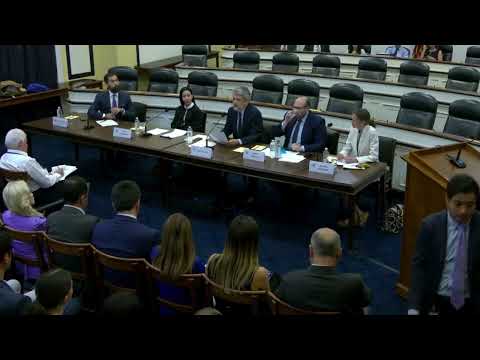
A witness identified as a visiting scholar at the Khanig Endowment for International Peace and a former member of the Turkish parliament told the Commission on Security and Cooperation in Europe that the United States should take an active role in brokering a durable peace between Armenia and Azerbaijan and press Turkey to normalize ties with Yerevan.
“These are challenging times,” the witness said, urging the commission to view the South Caucasus as “once in a generation opportunity for American leadership.”
The scholar said the March 2025 agreement on the full text of a peace accord between Armenia and Azerbaijan creates an opening for U.S. diplomacy. He warned that President Ilham Aliyev of Azerbaijan remained hesitant to finalize the accord and was “seeking additional concessions,” which the witness said left the door open to renewed military escalation.
Why it matters: the witness framed the dispute as a strategic competition in which Russia and China have sought to expand regional influence. He said U.S. engagement, combined with meaningful economic collaboration such as development of the Middle Corridor trade route, could bolster regional stability and diversify transport and energy links away from Russian control.
Details from testimony: the witness recommended that Washington make clear “it is time for peace in the South Caucasus, and any further escalation will carry serious consequences.” He urged the United States to demonstrate tangible benefits for both Armenia and Azerbaijan from reaching a settlement, including diplomatic recognition, economic incentives and security cooperation.
On Turkey’s role, the witness said Ankara has supported a peace process but has not yet applied sufficient pressure on President Aliyev. He pointed to a recent meeting between Armenian Prime Minister Nikol Pashinyan and Turkish President Recep Tayyip Erdogan in Istanbul and urged that Turkey “open the border and establish formal diplomatic relations with Armenia as soon as possible.” The witness added that the United States should “actively engage Ankara” to pursue normalization and encourage Erdogan to use his influence with Aliyev to secure lasting peace.
The witness also called for the immediate release of Armenian political prisoners as an essential element for durable peace and reconciliation and suggested the United States could use diplomatic leverage to facilitate such releases.
He described broader regional gains that could follow, including economic growth tied to the Middle Corridor linking Europe and Central Asia and improved access to critical resources in Central Asia. The witness argued that deeper security and economic ties with the United States would strengthen democratic governance and counterbalance rival powers.
No formal actions or votes were taken during the testimony. The remarks were presented as recommendations and analysis to inform commissioners’ consideration of U.S. policy in the South Caucasus.
The witness closed by urging the commission and U.S. policymakers to seize the diplomatic opening, saying “the people of Armenia, Azerbaijan, and Turkey are ready.”