Lifetime Citizen Portal Access — AI Briefings, Alerts & Unlimited Follows
State Department defends visa revocations after public tweet; spokesperson frames vetting as national-security standard
Loading...
Summary
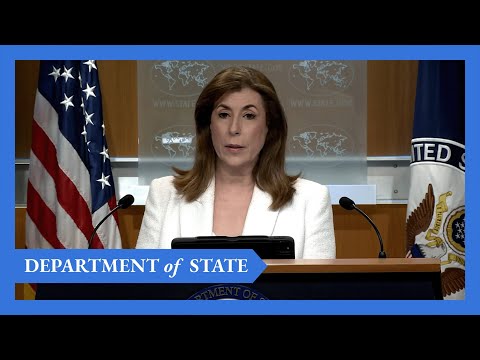
The State Department spokesperson defended the decision to revoke U.S. visas for members of an entertainer group after a deputy secretary's public tweet, saying the administration is applying a public policy standard on vetting visitors and that visa confidentiality practices can be applied differently in public-facing cases.
The State Department spokesperson defended public visa revocations in response to a journalist's question about a high-profile case in which U.S. visas were revoked after a deputy secretary of state tweeted about the matter.
The spokesperson said, "we have a very public policy and procedure and process now, that we're discussing regarding national security and how we are handling the visa process." He cited a tweet by the deputy secretary of state, Christopher Landau, announcing that the State Department had revoked U.S. visas for members of the Bob Dylan band following conduct at Glastonbury.
Why it matters: Visa policy typically involves confidentiality, but public statements and actions around revocations in high-profile cases can affect diplomatic messaging, free-expression debates and perceptions of consistency in U.S. policy. The spokesperson said the administration was not imposing broader limits on expression inside or outside the U.S., but was enforcing standards about who may enter the country.
Details from the briefing: The spokesperson said the action reflected public enforcement of standards regarding violence and hatred, saying, "Foreigners who glorify violence and hatred are not welcome visitors to our country." He said that the visa system exists in part to vet visitors and to "take that seriously." The spokesperson declined to discuss internal decisionmaking in detail.
Unanswered questions: The spokesperson did not provide a legal citation or a full description of the internal criteria used in the revocation or whether the department will consistently make such actions public going forward.
Ending: The spokesperson framed the issue as part of a national-security and public-safety posture and reiterated that the administration had been public about its standards.