Get Full Government Meeting Transcripts, Videos, & Alerts Forever!
Assembly approves $58.8 billion FY2026 budget after overnight rollout; lawmakers split over taxes, last‑minute spending
Summary
The New Jersey General Assembly passed a $58.8 billion FY2026 state budget after an overnight release and an hours‑long floor debate. Supporters said the plan preserves key services and builds a surplus; opponents said it is fiscally irresponsible, raises taxes and includes large late additions.
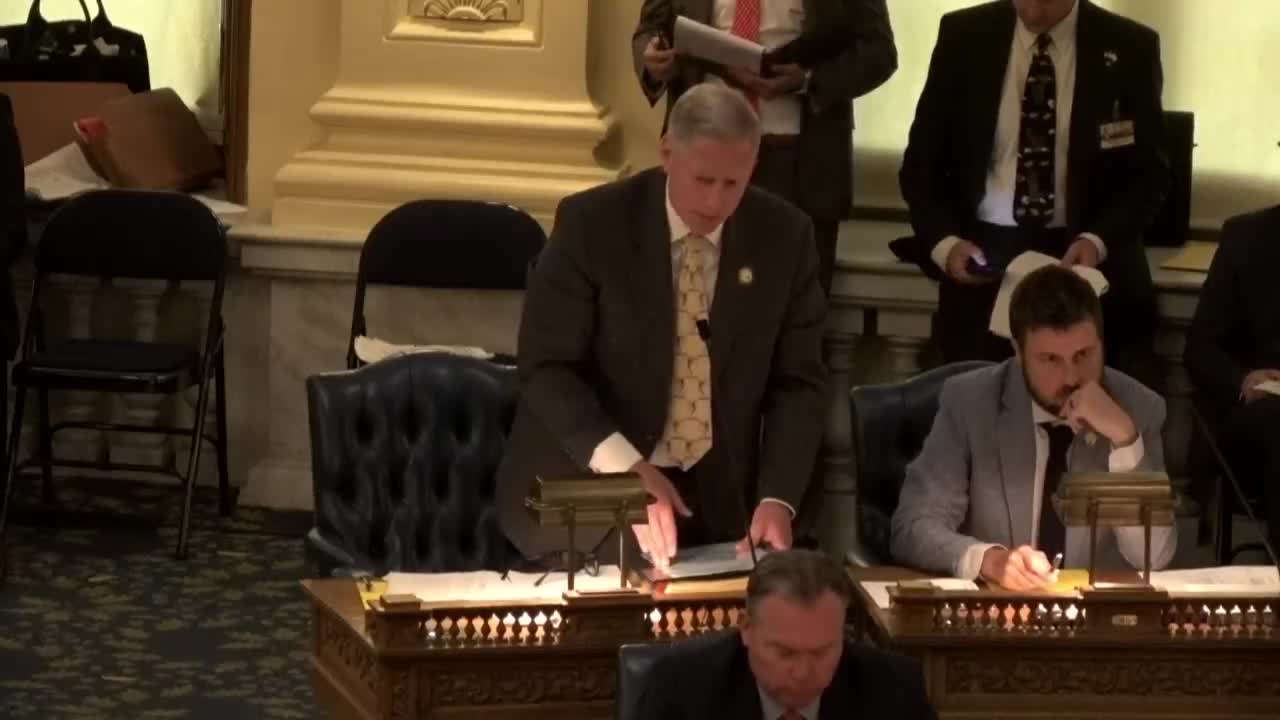
The New Jersey General Assembly on June 30 passed a $58.8 billion Fiscal Year 2026 budget after leaders moved the plan to the floor following an overnight release that left members and the public limited time to review the text. The final vote on the annual appropriation (Senate Bill 20‑26) was 52 in favor, 27 opposed and 1 abstention, and the bill was declared passed.
Assembly Budget Committee Chairwoman Assemblywoman Akilah Pinter‑Marin, the bill’s floor manager, defended the package on the floor as a mix of tax‑supported priorities, targeted investments and a precautionary surplus. "This budget provides a strong surplus that prepares us for a rainy day," Pinter‑Marin said, and described roughly $6.7 billion she said would remain as a cushion while the state continues pension and school funding commitments.
Opponents framed the budget differently. Multiple lawmakers objected to the speed of the rollout, the size of new spending and a list of legislative add‑ons that appeared late in the process. "This budget is not responsible budgeting," Assemblywoman Aura Munoz said, adding that it relies on new taxes, grows recurring spending faster than revenues and includes roughly $717 million in what opponents called last‑minute project items.
What the budget funds and how it drew debate
Supporters said the budget continues recent investments in schools, health care, local aid and pensions. Pinter‑Marin emphasized full pension contributions and continued property‑tax relief programs, while other backers noted growth in school aid and assistance for seniors and low‑income residents.
Opponents focused on process and priorities. They criticized the timing of the release — a package issued…
Already have an account? Log in
Subscribe to keep reading
Unlock the rest of this article — and every article on Citizen Portal.
- Unlimited articles
- AI-powered breakdowns of topics, speakers, decisions, and budgets
- Instant alerts when your location has a new meeting
- Follow topics and more locations
- 1,000 AI Insights / month, plus AI Chat