
Assembly approves $58.8 billion FY2026 budget after overnight rollout; lawmakers split over taxes, last‑minute spending
Get AI-powered insights, summaries, and transcripts
Subscribe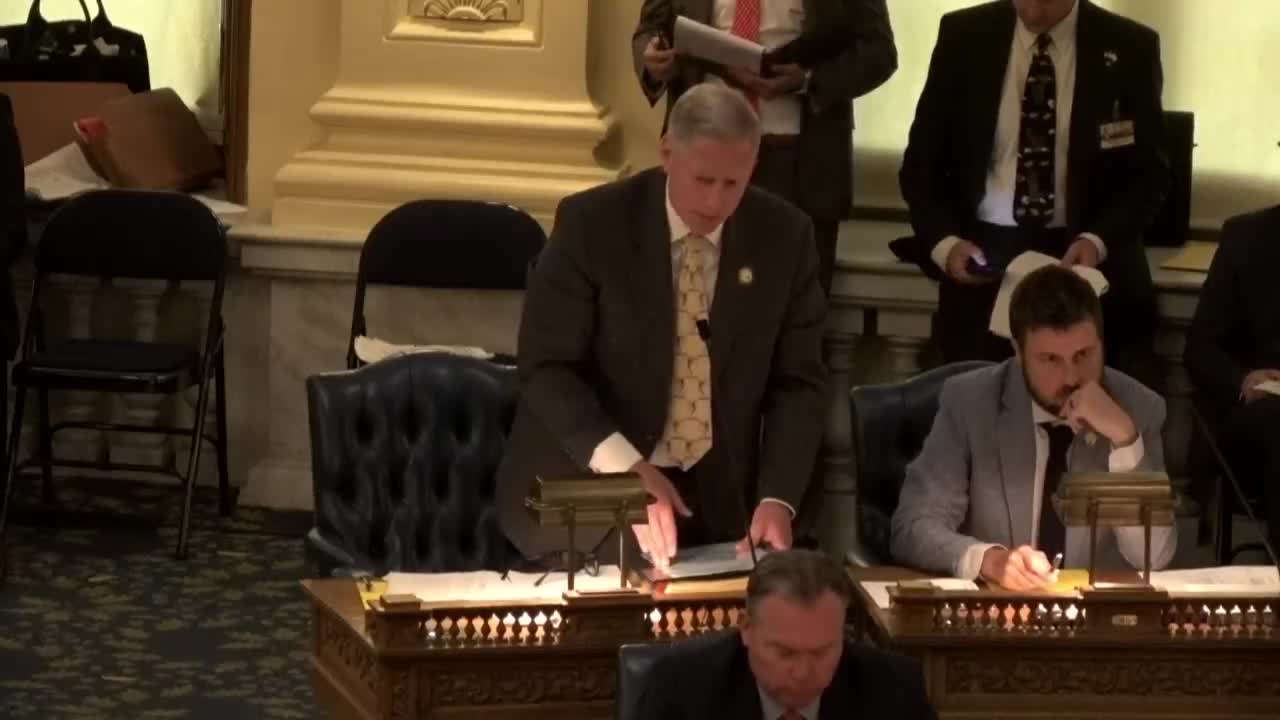
Summary
The New Jersey General Assembly passed a $58.8 billion FY2026 state budget after an overnight release and an hours‑long floor debate. Supporters said the plan preserves key services and builds a surplus; opponents said it is fiscally irresponsible, raises taxes and includes large late additions.
The New Jersey General Assembly on June 30 passed a $58.8 billion Fiscal Year 2026 budget after leaders moved the plan to the floor following an overnight release that left members and the public limited time to review the text. The final vote on the annual appropriation (Senate Bill 20‑26) was 52 in favor, 27 opposed and 1 abstention, and the bill was declared passed.
Assembly Budget Committee Chairwoman Assemblywoman Akilah Pinter‑Marin, the bill’s floor manager, defended the package on the floor as a mix of tax‑supported priorities, targeted investments and a precautionary surplus. "This budget provides a strong surplus that prepares us for a rainy day," Pinter‑Marin said, and described roughly $6.7 billion she said would remain as a cushion while the state continues pension and school funding commitments.
Opponents framed the budget differently. Multiple lawmakers objected to the speed of the rollout, the size of new spending and a list of legislative add‑ons that appeared late in the process. "This budget is not responsible budgeting," Assemblywoman Aura Munoz said, adding that it relies on new taxes, grows recurring spending faster than revenues and includes roughly $717 million in what opponents called last‑minute project items.
What the budget funds and how it drew debate
Supporters said the budget continues recent investments in schools, health care, local aid and pensions. Pinter‑Marin emphasized full pension contributions and continued property‑tax relief programs, while other backers noted growth in school aid and assistance for seniors and low‑income residents.
Opponents focused on process and priorities. They criticized the timing of the release — a package issued overnight with only hours for members to review — and objected to new and higher taxes embedded in the plan. Several members said the package includes allocations they characterized as locally targeted "add‑ons" rather than statewide priorities and argued the plan increases the state’s structural deficit by about $1.5 billion.
A number of members also warned that the plan’s surplus would not withstand a downturn: the stated surplus, opponents said, equals roughly 40 days of spending and is therefore inadequate to shield the state from future stress.
Related debates on key bills during the session
Several bills not directly in the main appropriations text drew extended floor debate during the day.
- Energy‑consumer notices and smart‑meter opt‑outs: Lawmakers debated an energy and consumer‑notice bill that would update certain utility notice programs and the state’s bill‑watching requirements (Assembly Bill 57‑36). Opponents pushed to return the bill to second reading to waive a utility opt‑out fee for smart meters; that motion failed on a roll call, and the bill ultimately passed on the floor.
- Film tax credit expansion: Lawmakers debated an expansion of the state’s film and digital‑media tax credit (Senate/Assembly item added as Assembly Bill 58‑27). Critics on the floor warned the expansion would cost taxpayers and cited out‑of‑state studies questioning the return on such incentives; the measure passed the Assembly after debate.
- Manufacturing incentives and offshore wind language: Members debated amendments to a new manufacturing incentive program that had drawn objections over an early reference to "offshore wind" within a definition. A motion to strike the words "offshore wind" from that definition failed; the manufacturing program language remained and the bill passed.
- First‑responder mental‑health coverage: The Assembly approved legislation to expand confidential, paid mental‑health care and related worker’s‑compensation coverage for first responders following critical incidents (Assembly Bill 57‑92). The bill received overwhelming bipartisan support on final passage.
- Online/gaming tax and behavioral objections: A bill changing tax treatment on certain online gaming activities (Assembly Bill 58‑03) drew a lengthy floor statement from an opponent who described gambling addiction concerns. The bill passed the Assembly.
- "Mansion tax" proposal and homeowner objections: Lawmakers debated a proposal changing real‑estate transfer taxes on high‑value sales that opponents described as a new tax on homeowners; that bill passed, but several members urged indexing the threshold to inflation.
- Parental liability for public brawls: Members debated a measure creating potential parental liability for parents of minors involved in large public fights; critics argued the bill imposed criminal penalties on parents for children’s conduct, while proponents said it gives law enforcement a tool to discourage organized mass brawls. That measure also passed the Assembly.
Votes at a glance
(Selected final roll‑call results from the session; vote counts shown as recorded on the floor)
- Senate Bill 20‑26 (FY2026 annual appropriation act): Passed, 52‑27‑1. - Assembly Bill 57‑36 (updates to utility notices / energy bill watch program): Passed (machine tally recorded during session; motion to return to second reading failed; final tally for passage was recorded on the floor). - Assembly/Senate Bill 58‑27 (film/digital media production tax credit changes): Passed (final passage recorded after debate). - Assembly Bill 56‑87 (New Jersey manufacturing program; contested "offshore wind" language): Passed after floor votes on a motion to strike language failed. - Assembly Bill 57‑92 (first‑responder mental‑health coverage / workers’ comp): Passed unanimously on final passage (80‑0‑0 as recorded). - Assembly Bill 58‑03 (modifies tax on certain online gambling receipts): Passed, 45‑33‑0 (recorded on the floor). - Assembly Bill 58‑04 (real‑estate transfer / "mansion tax" changes): Passed, 41‑37‑1 (recorded on the floor). - Assembly Bill 46‑51 (parental responsibility for certain public brawls / disorderly‑person penalties): Passed, 60‑15‑5 (recorded on the floor).
(Full roll‑call results for all bills considered that day were recorded on the Assembly floor and are included in the official minutes and clerk’s record.)
What’s next
The budget, having passed the Assembly, was sent on the usual course as required by statute. Some measures passed on concurrence with Senate amendments; others will advance as final acts. Several bills that drew substantive floor debate will require implementation rules or additional guidance from regulators and agencies named in the statutes.
Ending
Supporters called the final FY2026 plan a cautious mix of investments and reserves; opponents called it an overreaching spending package delivered on a rushed timetable. With the budget now passed, agencies will begin fiscal‑year implementation and members on both sides of the aisle signaled plans for follow‑up hearings and legislative proposals in the coming months to address the concerns raised on the floor.