Get Full Government Meeting Transcripts, Videos, & Alerts Forever!
Get email alerts on the Family Caregivers Paid Masshealth topic
No spam. Unsubscribe anytime.
Mass. committee hears broad support for allowing family members, including spouses and guardians, to be paid MassHealth caregivers
Summary
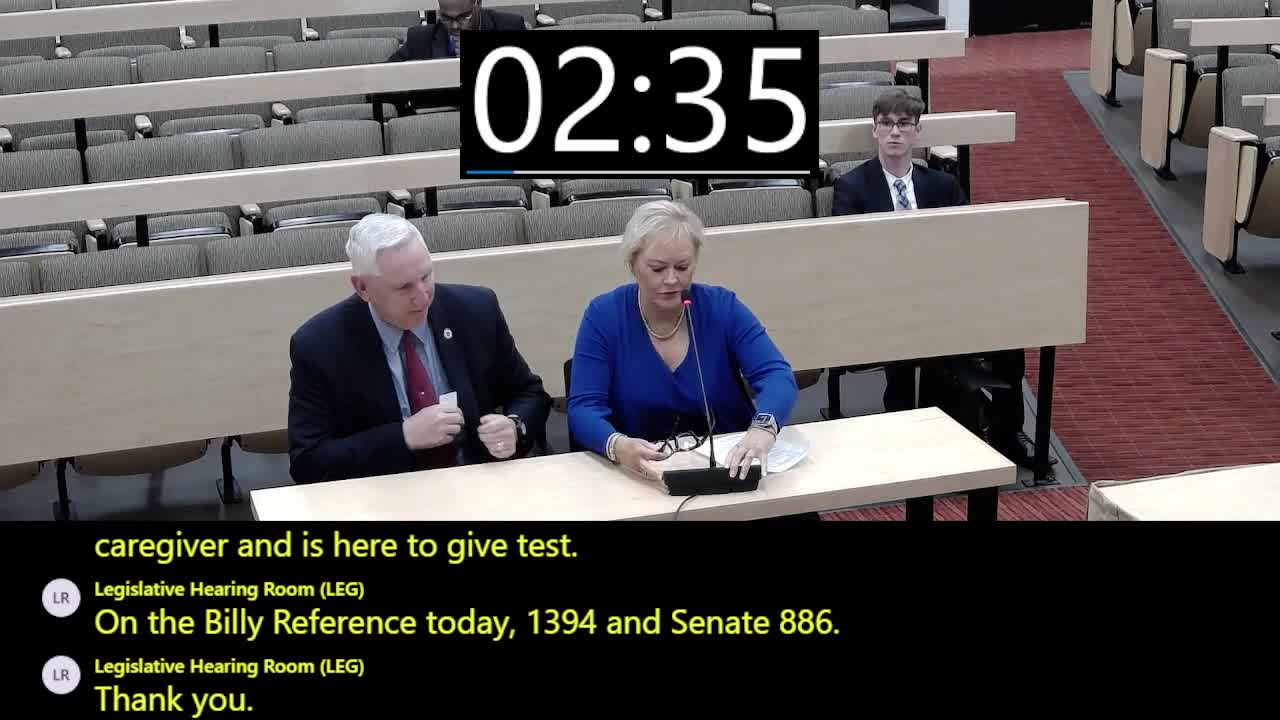
The Joint Committee on Healthcare Financing convened a public hearing July 4 at the State House to hear testimony on legislation that would permit legally responsible family members, including spouses and guardians, to serve as paid caregivers under MassHealth home- and community-based programs (House Bill 1394 / Senate Bill 886 and related proposals).
The Joint Committee on Healthcare Financing convened a public hearing July 4 at the State House to hear testimony on legislation that would permit legally responsible family members, including spouses and guardians, to serve as paid caregivers under MassHealth home- and community-based programs (House Bill 1394 / Senate Bill 886 and related proposals).
Why the bills matter: supporters said the change would recognize care family members already provide, reduce financial hardship, and help keep people at home instead of in institutional settings. Christine Stanton, director of the Milton Council on Aging and a parent and guardian, told the committee: “This is an injustice.”
Advocates and providers offered three principal arguments. First, many families cannot hire outside staff because of wages, training needs, or geographic isolation; paying a family member can fill gaps that otherwise leave people without care. Lorena Silva, CEO of Vitra Health, testified the current rule “is outdated, inequitable, and harmful to families across the state.” Second, testimony from adult foster care and provider groups said expanding eligibility would draw on already-present caregivers and could produce state savings by avoiding institutional care. Third, speakers repeatedly framed the bills as equity measures that would help single parents, low-income families, and communities of color who rely on family-based care.
Who testified: family members and guardians described daily, unpaid caregiving and the financial toll. Christine Stanton said her son requires full assistance with activities of daily living and that current rules bar a parent or legal guardian from being paid under AFC or PCA programs even when no other caregiver is available. Daphne Egan, a single parent of a 22-year-old with complex needs, said she frequently works 16 hours a day without pay and called the rule “unjust” for single parents. Professional providers and trade groups — including Vitra Health, the Massachusetts Council for Adult Foster Care, and the Home Care Aid Council — urged the committee to allow spouses, guardians, and other legally responsible relatives to be compensated, and several witnesses referenced federal waiver pathways that would permit the change.
Clarifications and limits: witnesses and providers noted federal rules and MassHealth safeguards that would shape any change. Wendy Daigle of the Massachusetts Council for Adult Foster Care described the availability of federal waiver provisions and gave examples of daily stipends for adult foster care programs as part of her testimony. Testimony also noted existing MassHealth tools — background checks, training requirements, and service limits — that would continue to apply if family members were permitted to be paid caregivers.
Discussion vs. action: the committee took testimony only; there were no committee votes or formal actions recorded at this hearing. Multiple legislators and commission chairs signaled interest in the bills and took questions; Representative Adam Scanlon and others expressed strong support, saying the change would improve continuity of care and reduce workforce pressure.
What remains unresolved: proponents urged the committee to report the bills favorably and asked the executive branch to seek any necessary federal approvals. Witnesses acknowledged cost concerns raised in a 2018 MassHealth memo but argued that those projections did not account for current workforce shortages and potential savings from avoided hospitalizations or nursing home placements.
The committee is accepting written testimony through the stated deadline and will consider the legislation as part of its 2025 docket. Testifiers asked for a favorable report but did not describe any final executive action taken during this session.