
Bill to require Good Samaritan and overdose education in K–12 substance‑use policies draws emotional testimony
Get AI-powered insights, summaries, and transcripts
Subscribe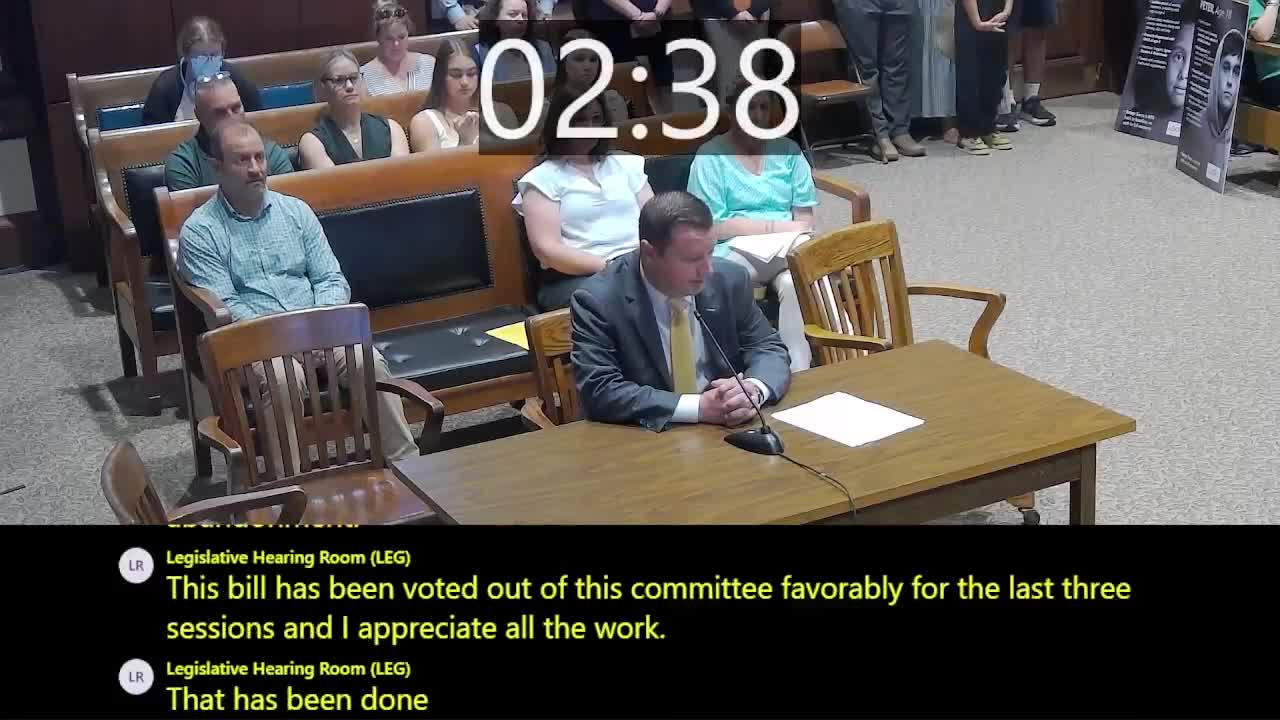
Summary
Senate Bill S.1416, which would require school substance‑use prevention policies to include education on Good Samaritan protections and overdose risks, drew testimony from lawmakers and family members of overdose victims who said school‑based education can save lives.
Senator Paul O’Connor and family advocates urged the Joint Committee to report S.1416 favorably after testimony from survivors and family members who lost loved ones to overdose.
Senator O'Connor described the bill as bipartisan and long‑running in the committee; it would require public school substance‑use prevention policies to include education on addictive substances and on Good Samaritan immunity protections that can shield people who call 911 during an overdose. He cited national research associating Good Samaritan laws with reductions in overdose deaths and called for schools to make those protections part of prevention curricula.
Tamika Perry, who lost her 20‑year‑old son to a poly‑substance overdose, told the committee she believes her son’s death could have been prevented if people in the apartment had known they were protected from prosecution. “No one called 911,” Perry said. “I believe they didn't call out of self‑preservation because they were afraid of being arrested.” She urged lawmakers to require school education about the laws that protect people who seek emergency help.
Committee members emphasized that education should be paired with prevention and improved discharge planning from hospitals. Senators and representatives thanked families for testifying and asked witnesses to help the committee shape curriculum language and implementation details.
No formal committee vote on S.1416 was recorded during the hearing.