Get Full Government Meeting Transcripts, Videos, & Alerts Forever!
Get email alerts on the Fire Prevention topic
No spam. Unsubscribe anytime.
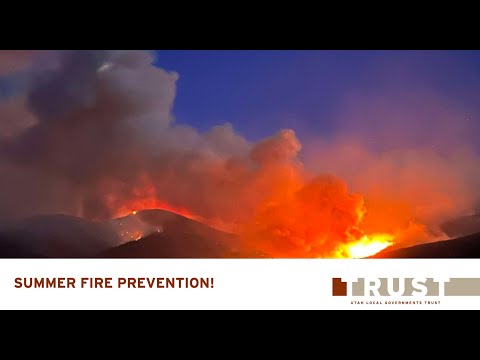
Utah Government Trust adviser urges summer fire prevention amid dry conditions
Summary
A presenter with the Utah Government Trust urged state and local agencies to prioritize fuel reduction, hot-work controls, fireworks restrictions and routine equipment inspections as Utah enters a high-risk summer fire season.
A presenter representing the Utah Government Trust said in a recorded briefing that Utah is entering a high-risk period for both wildfires and structure fires because of several weeks without appreciable rain, hot dry temperatures and low humidity.
The presenter framed the session as a prevention-focused briefing and said “the surest way to fight a fire is to prevent it,” urging organizations and residents to reduce fuels, control ignition sources and follow basic storage and equipment-maintenance rules ahead of the summer season.
State and local agencies and property owners should treat the next two to three months as high risk, the presenter said, citing national and recent state fire statistics to underline the stakes. “Every year, there’s about 1,400,000 fires, close to 4,000 deaths … and an average year we’re looking at about $23,000,000,000 in losses,” the presenter said, and noted Utah has already seen property loss and significant wildfire damage early in the season.
Key prevention steps recommended included removing or relocating combustible materials away from buildings, storing flammable liquids and gases outdoors or in approved cabinets, and implementing hot-work permitting for welding, cutting and grinding. The presenter recommended that hot work performed by contractors or staff be covered by a permit, include a fire watch, and be planned to prevent sparks from reaching combustible materials.
Fireworks and public displays drew particular attention. The presenter advised communities to consult local ordinances, stage shows in open grassy areas away from buildings and the wildland-urban interface, secure contracts and certificates of insurance for contractors, and use at least one State Fire Marshal–trained certified shooter when conducting displays. He warned against improvised or mobile fireworks displays and recalled incidents where fireworks ignited surrounding vegetation or caused property damage.
The briefing also emphasized electrical and equipment maintenance: inspect fire-suppression systems and extinguishers annually (or per manufacturer guidance), use thermal imaging or similar checks on electrical panels, avoid long-term use of extension cords (noting the transcript reference that temporary wiring limits are treated as 90 days), and keep at least 18 inches of clearance below sprinkler heads. The presenter recommended storing aerosols and other flammable items in metal cabinets or flammable storage cabinets and disposing of unneeded materials such as pallets that increase fuel loads.
The presenter stressed tailoring plans to local conditions — North Salt Lake and Davis County face different wind and fuel profiles than Washington County or Monticello — and urged organizations to document fire-prevention plans, evacuation procedures and who is responsible for impairments (for example, turning off a sprinkler system requires notifying leadership, the local fire department and the alarm company).
The briefing closed with a reminder to train employees on extinguisher use and evacuation accountability and to review plans regularly. The presenter said, “If you have questions on these things, give me, give Mike a call,” and offered the Trust’s consultation to help organizations prepare.
No formal votes or policy adoptions were recorded during the briefing; it was presented as guidance and preventive recommendations rather than an enacted ordinance.