Get Full Government Meeting Transcripts, Videos, & Alerts Forever!
Get email alerts on the Adult Foster Care Zoning topic
No spam. Unsubscribe anytime.
Livonia council, city attorney explain limits on banning adult foster care homes after resident complaints
Summary
Residents urged the council to restrict adult care homes; the city attorney said state law treats adult foster care as residential use and local zoning cannot ban them.
Residents at Thursday’s Livonia City Council meeting urged the city to limit adult foster care and adult care homes in residential neighborhoods; council members and the city attorney responded that state law constrains local regulation.
Resident Ellen Dorman told the council she was “tired of lip service” and said multiple adult care homes had opened near her home and that she believed they were harming neighborhood integrity. “I now have three adult care homes 5 to 6,000 feet from my home,” Dorman said, adding that operators receive $6,000 to $8,000 per resident per month, which she said had been verified.
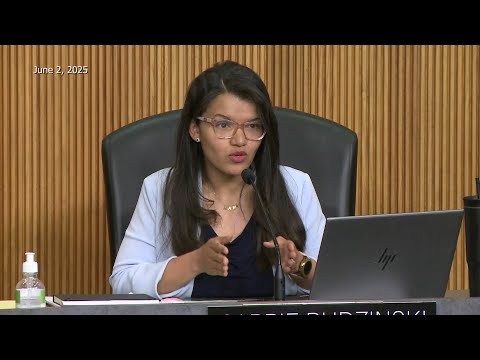
Council clarification: Councilman Brandon Donovic, responding to the resident, said municipalities do not have authority to ban adult foster care homes. The city attorney summarized the law: the Michigan Zoning Enabling Act defines adult foster care facilities as residential uses and requires that zoning ordinances treat them as residential, meaning local governments cannot prohibit them in residential districts. The city attorney said attempts to enact a prohibition would be quickly overturned in court, either by the state attorney general or by affected parties.
What the council said they can do: Donovic and other council members expressed sympathy for resident concerns and said the council can pursue available remedies — such as ensuring the city enforces occupancy, building safety, or licensing standards — but cannot override state statute to ban the homes outright. Donovic said the city would continue to look at enforcement options and work with state partners where appropriate.
Next steps: No formal council action was taken. Council members directed the city attorney and planning staff to summarize what enforcement tools the city currently has, and promised to communicate those options to residents.