Get Full Government Meeting Transcripts, Videos, & Alerts Forever!
Get email alerts on the Traffic Calming topic
No spam. Unsubscribe anytime.
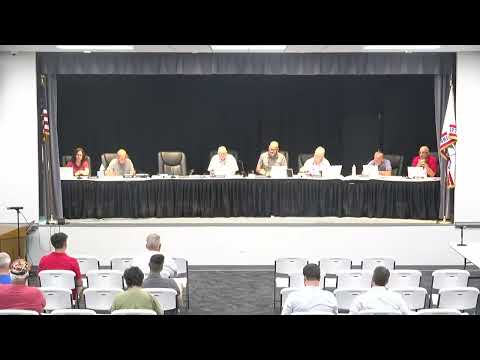
Council debates speed feedback signs, movable bumps and covert monitors for traffic calming
Summary
After resident complaints about speeding across multiple streets, council members discussed acquiring movable speed‑feedback signs, temporary speed bumps and covert 'stealth' monitors to gather objective data before placing permanent devices.
London City Council discussed several traffic‑calming measures after residents reported widespread speeding on neighborhood and collector streets.
Raymond Anthony, a London resident, told council he observes speeding on Lafayette Street, East High Street and other thoroughfares and asked how the city will determine when and where to place speed bumps or signs. "Is there a plan in place to where a city council approves speed bumps?" Anthony asked.
Council members said existing committees have discussed portable speed‑feedback signs, movable speed bumps and covert monitoring devices that record speed data without being obvious to drivers. One council member described the covert units as devices "placed in unknown locations to get a realistic ... statistics as far as what kind of speeding is going on in a certain area."
Finance and service committee members said the city already has one covert unit in the police department and discussed appropriating funds to add additional units and several moveable feedback signs. Proponents argued the combination of covert data and mobile signs would allow objective placement of longer‑term traffic‑calming installations rather than relying on the loudest complaints.
Opponents cautioned that visible signs are widely ignored and that hard devices such as bumps can reduce accidents but may shift traffic. Councilmembers asked staff to develop clear placement criteria and to use monitored data rather than anecdote for decisions.
No final appropriation vote was recorded at the meeting; council considered resolutions to increase appropriations for traffic calming and to purchase covert monitors and moveable signs and directed staff to return with criteria and data from pilot locations.